

Talk
"The Renaissance Man": Who is the genius of today?The legacy of the great twentieth-century Indian poet, artist, and thinker in dialogue with works by contemporary artists.
Admission to all of our exhibitions is free on the first Wednesday of every month.
The exhibition offers a new perspective on the legacy of Rabindranath Tagore (1861–1941), an outstanding figure in world culture and the first non-European to win the Nobel Prize in Literature.
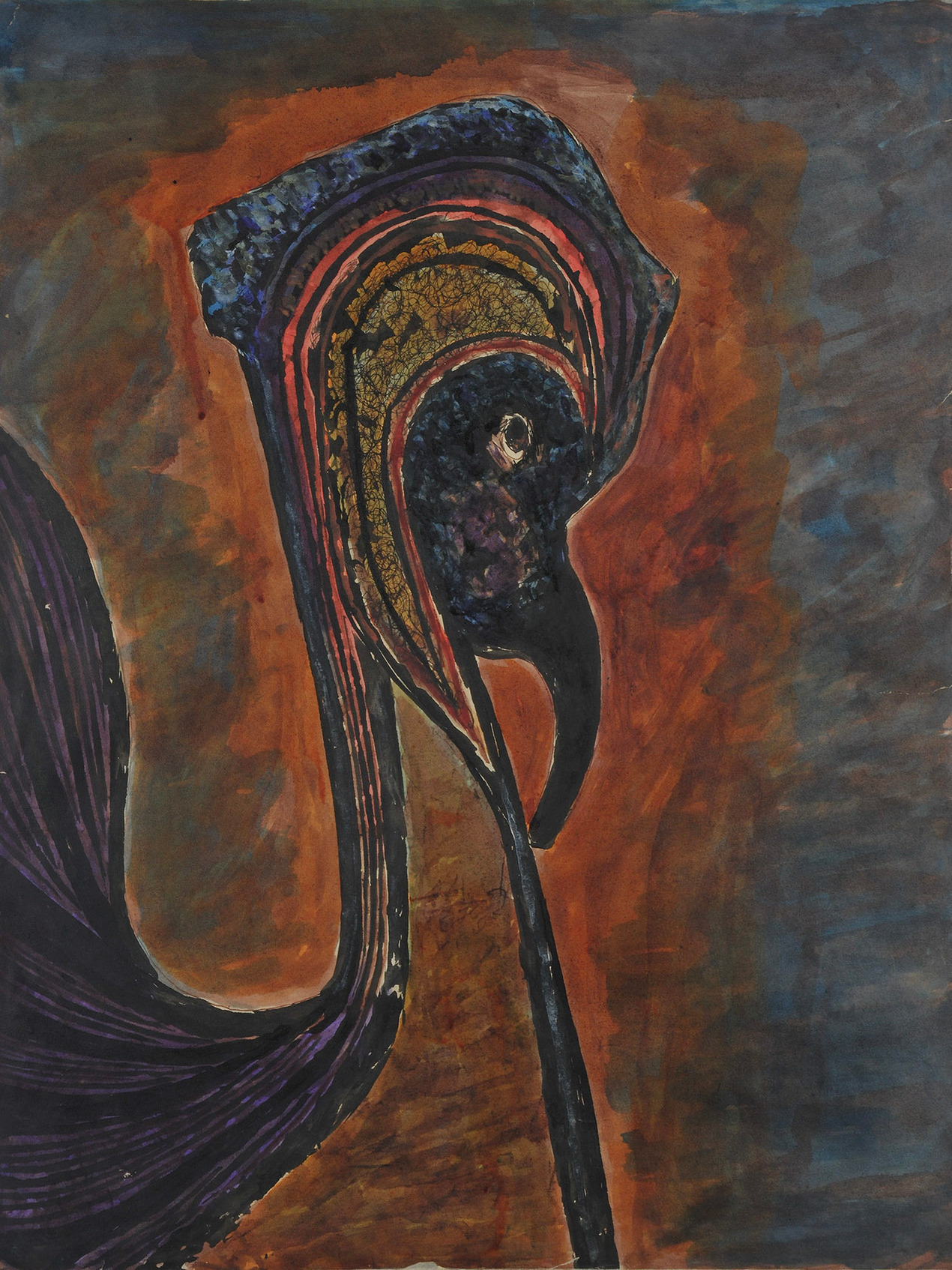
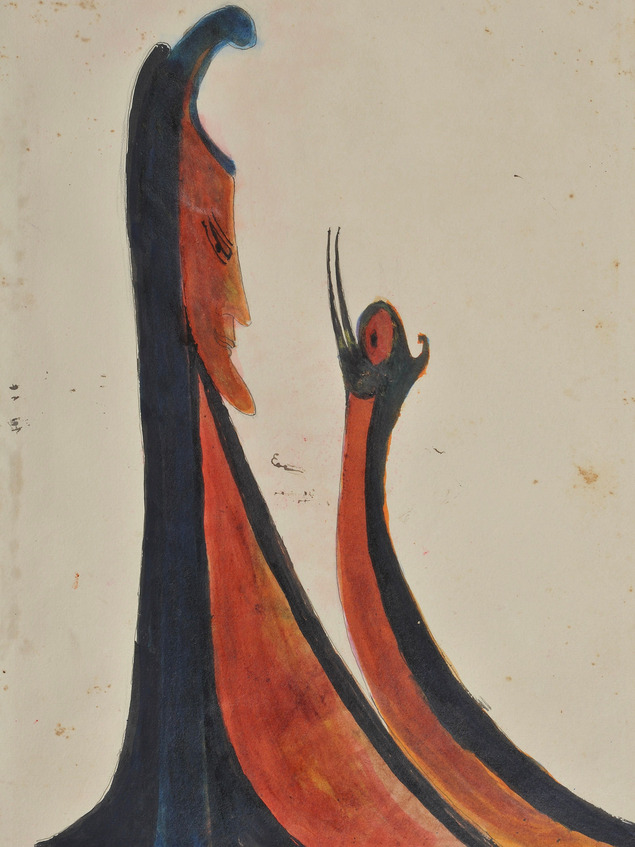
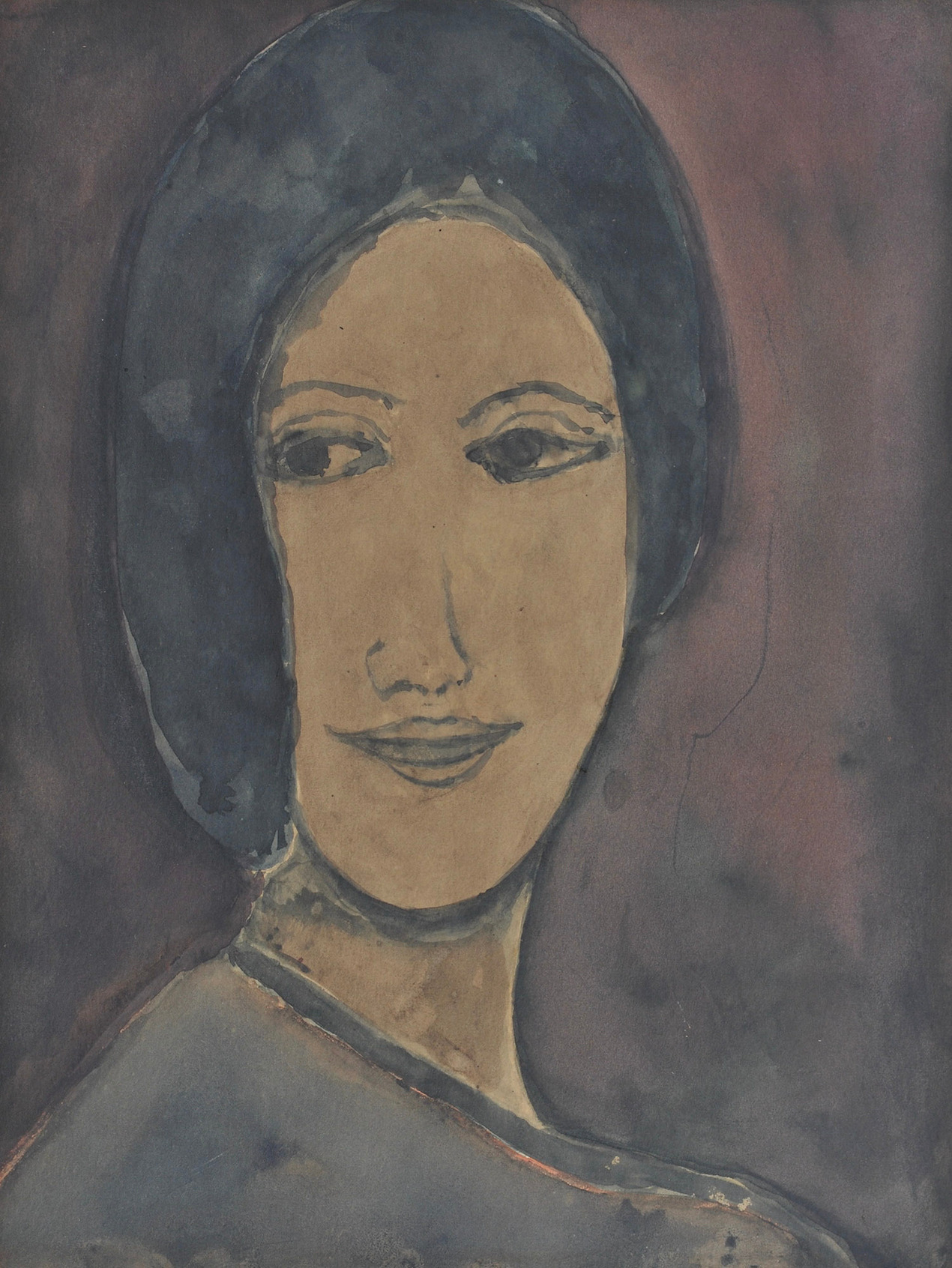
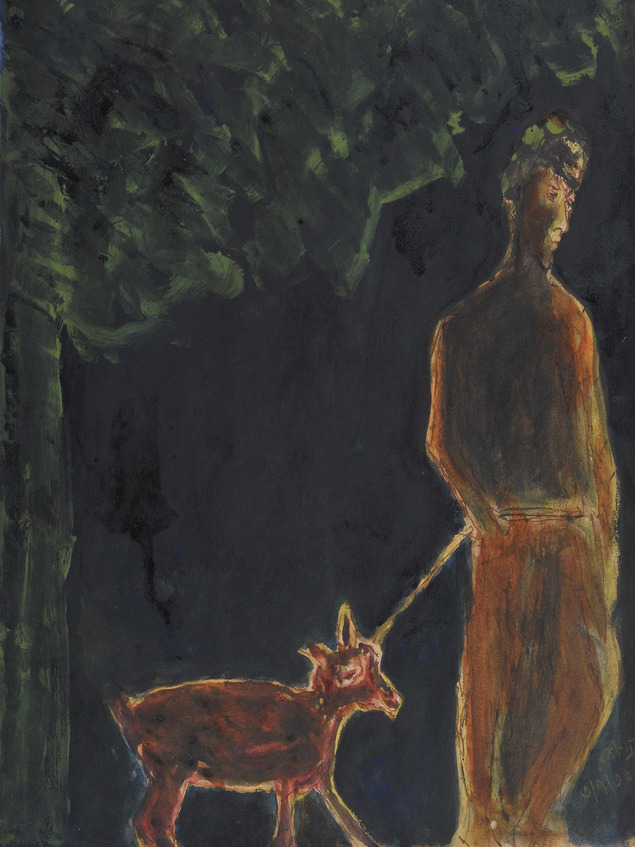
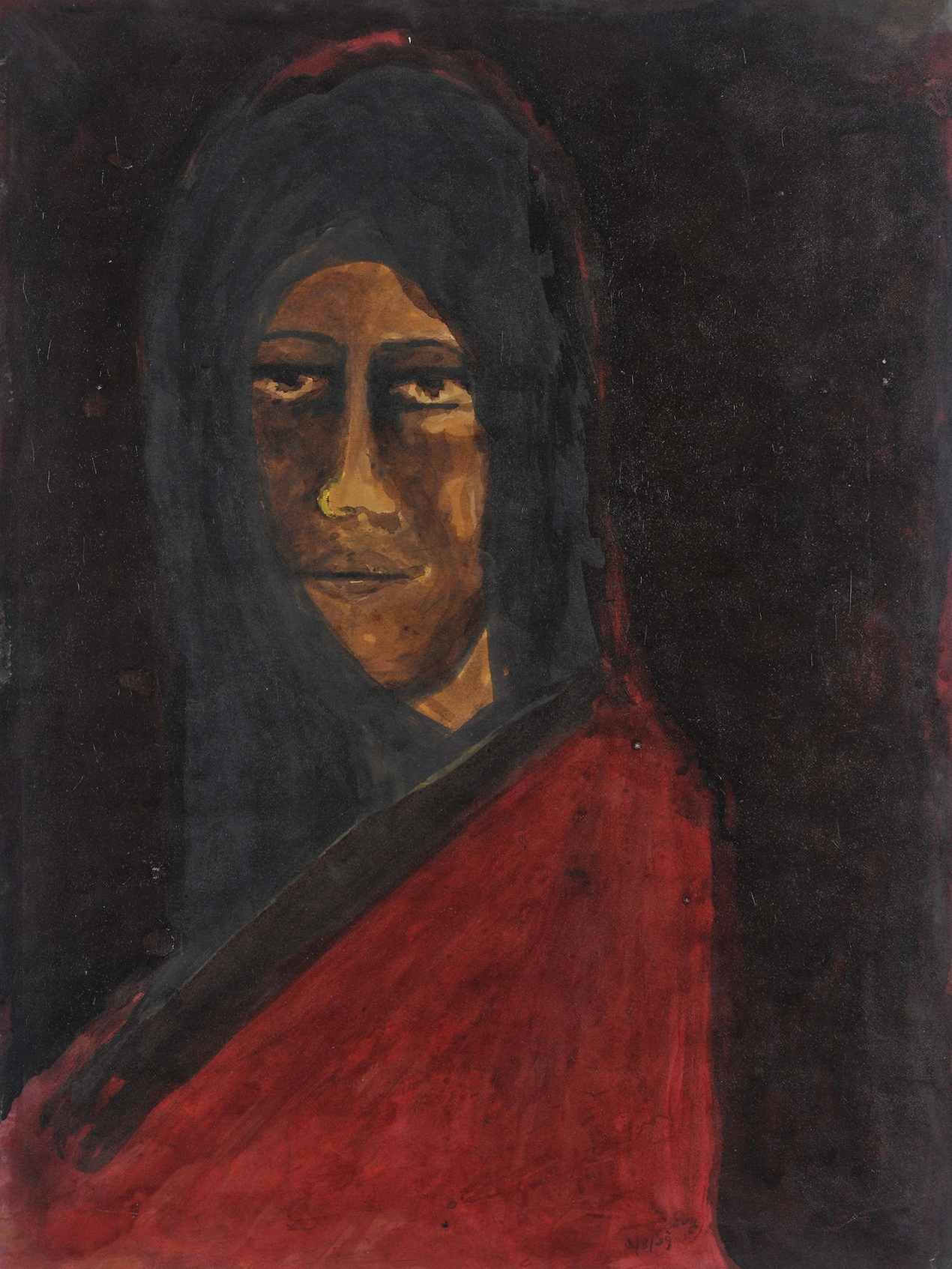
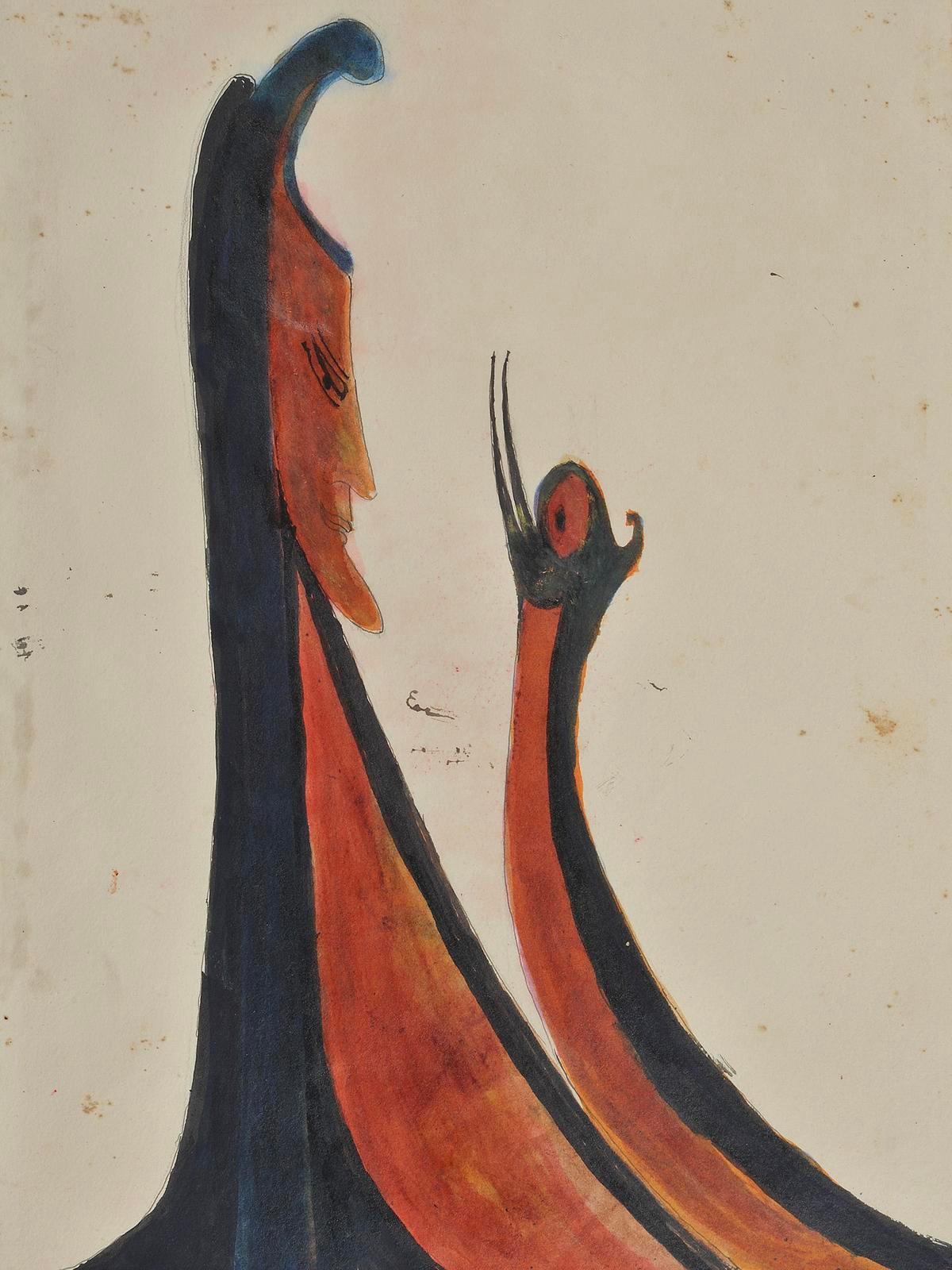
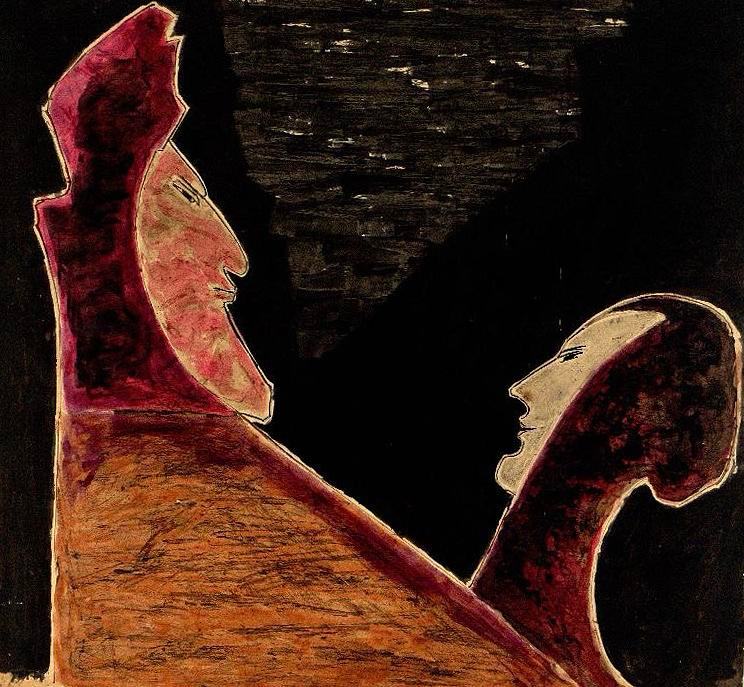
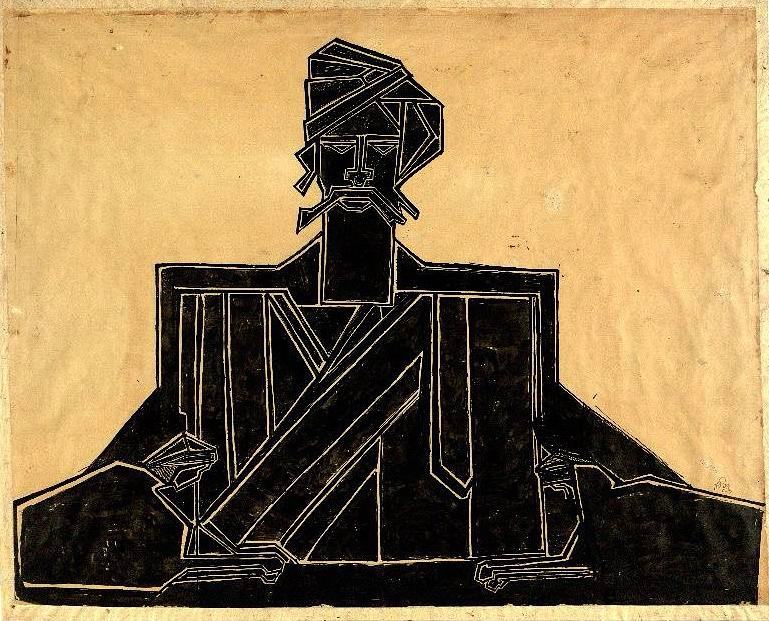
Works by Rabindranath Tagore:
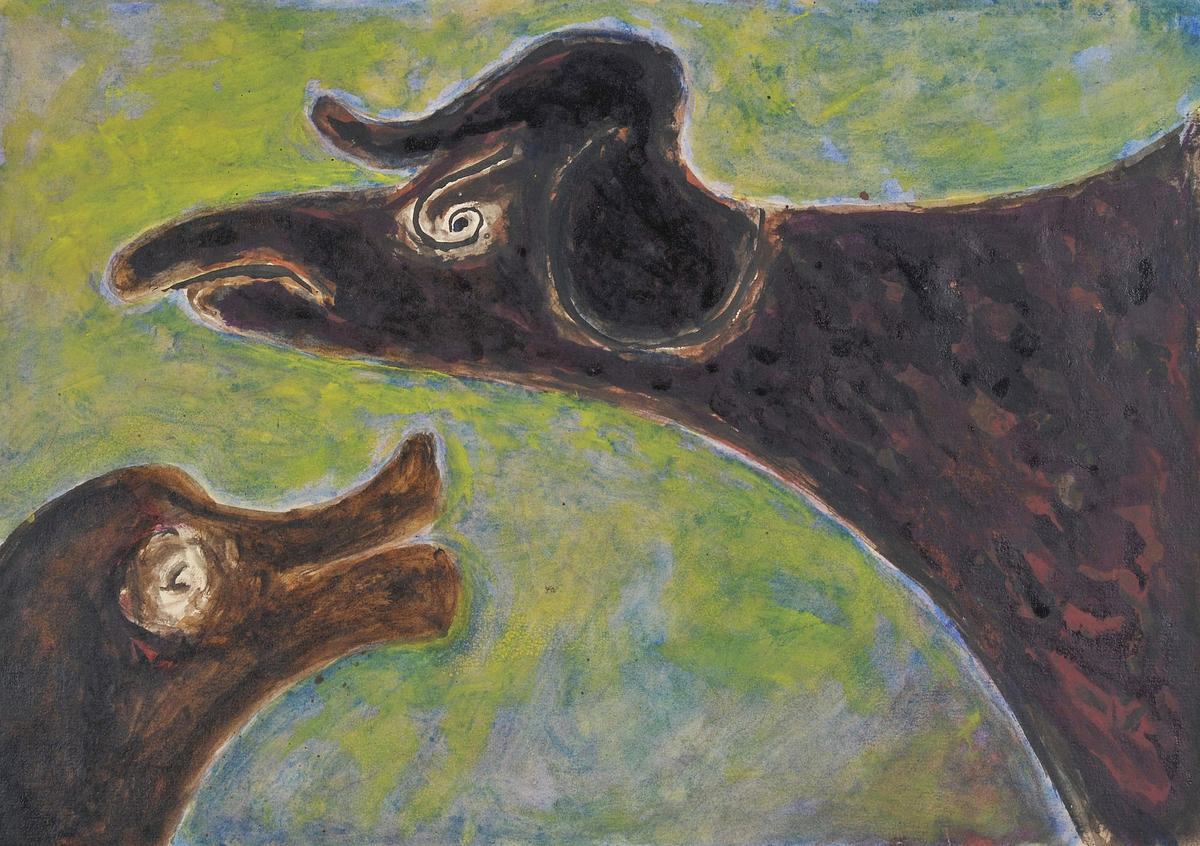
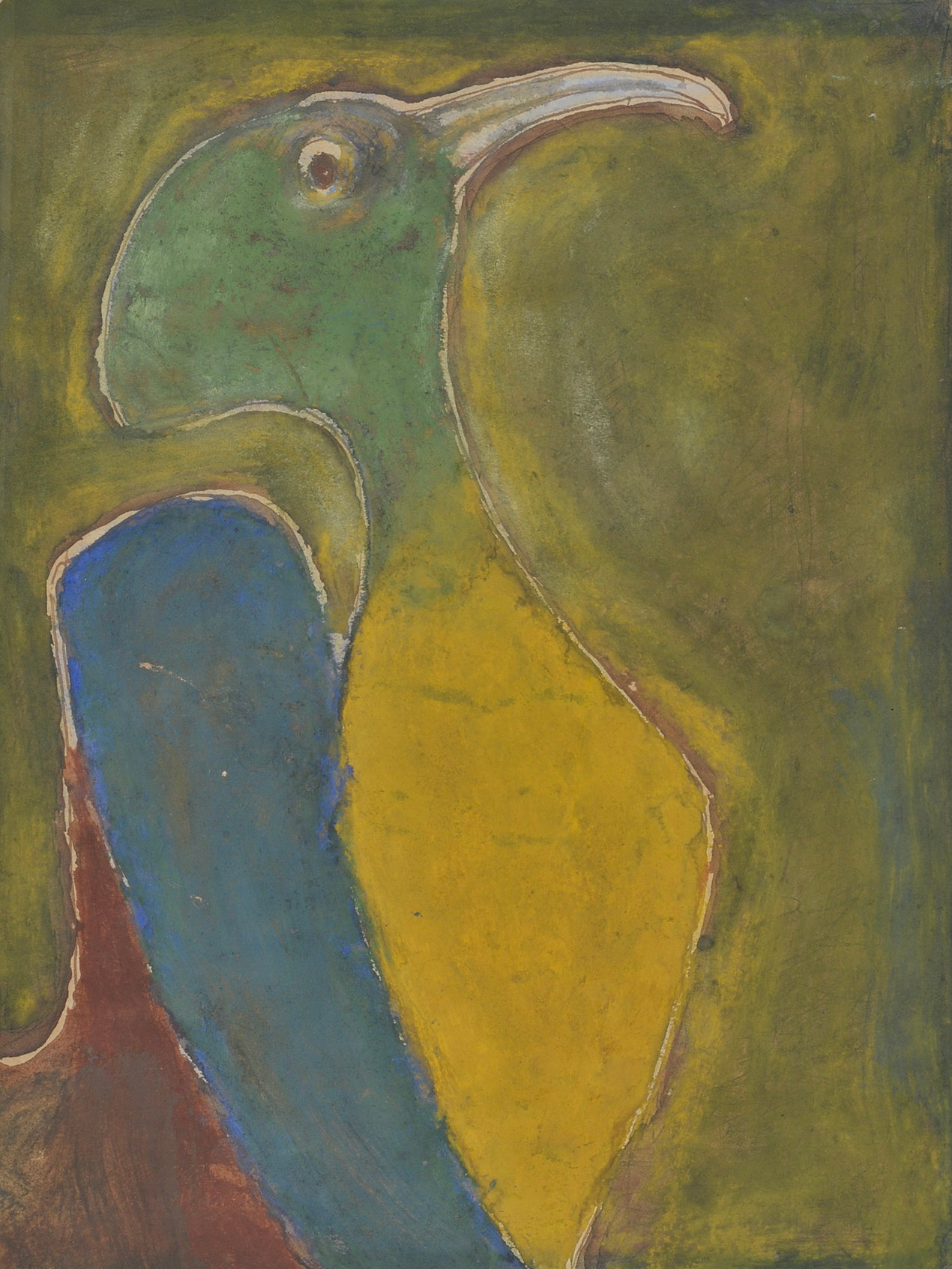
1. Untitled (“Bird”), ca. 1935–1936
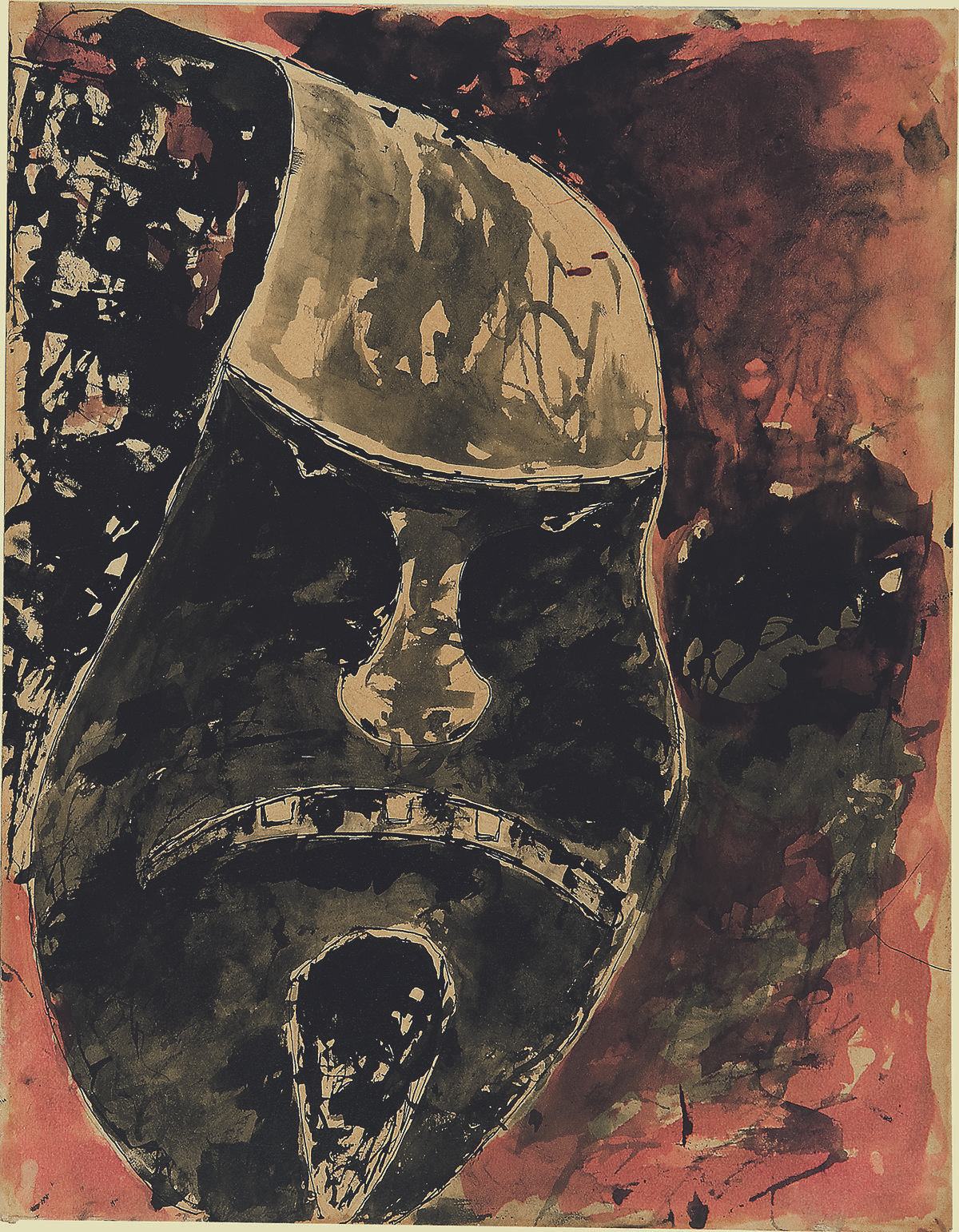
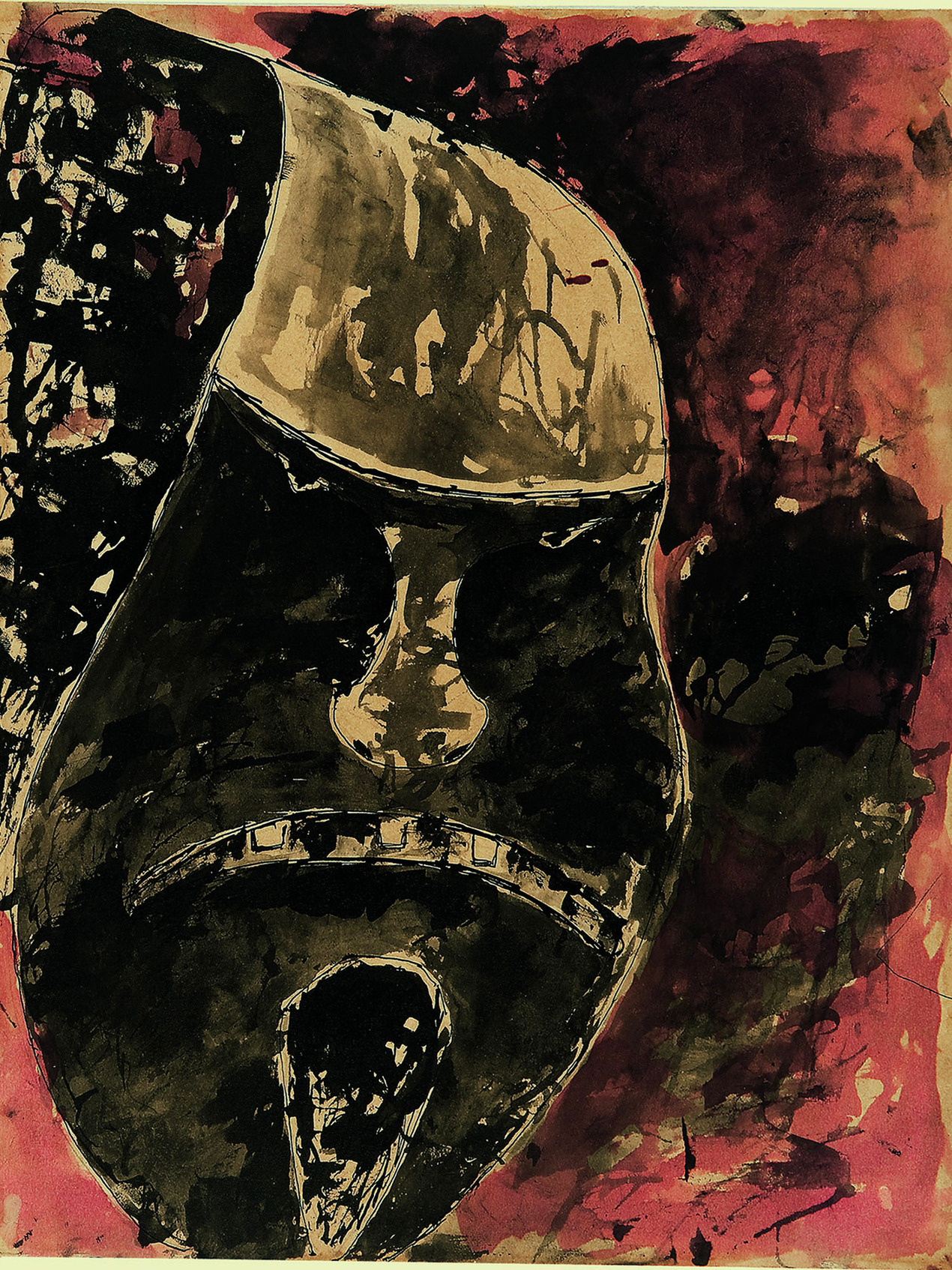
2. Untitled (“Mask-Like Face: Against Dark Background”), 1930
3. Untitled (“Mask: Man with Goatee and Pointed Cap”), ca. 1930–1931
4. Untitled (“Exotic Bird”), ca. 1929–1930
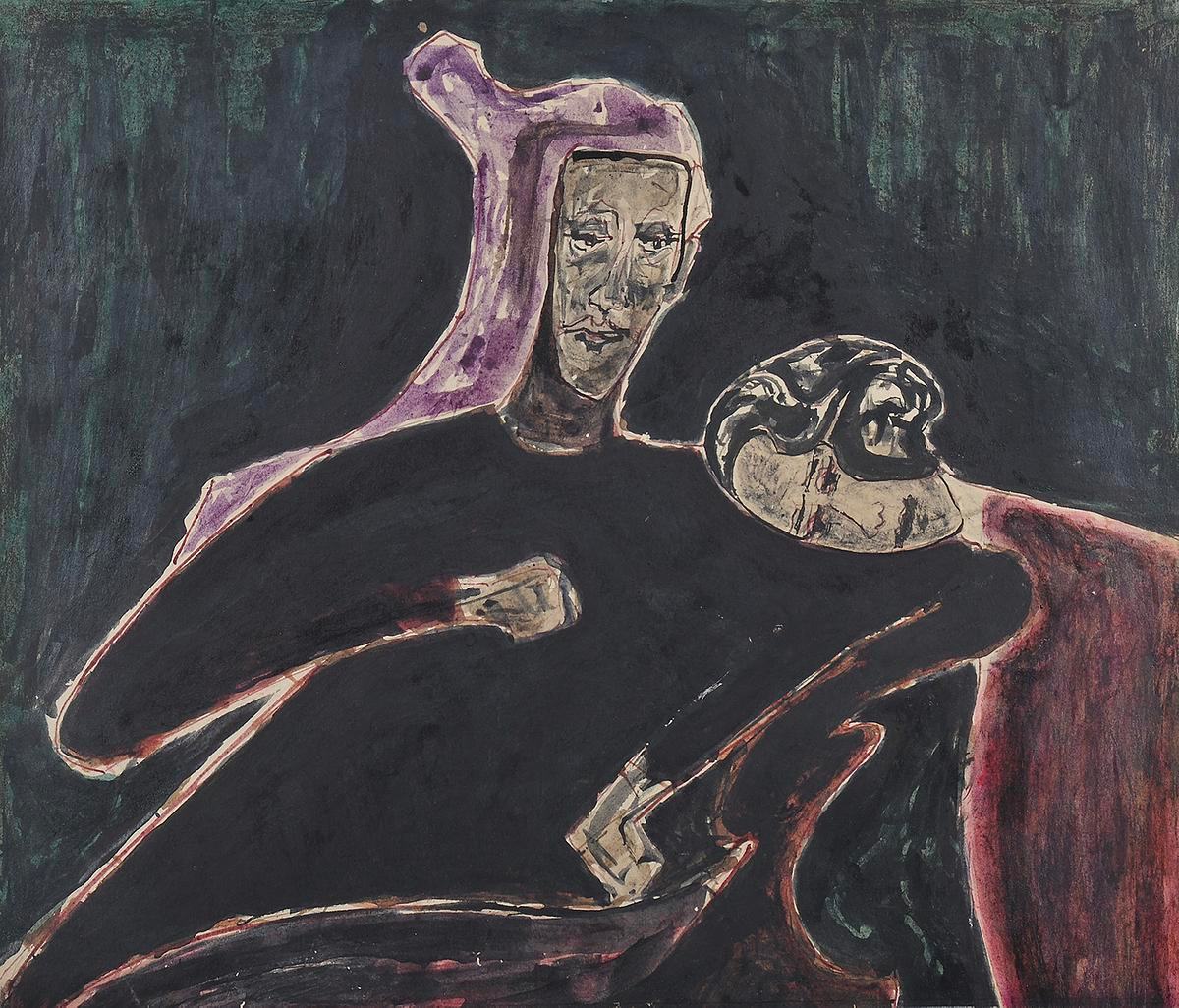
5. Untitled (“Man and Bird”), 1931–1932
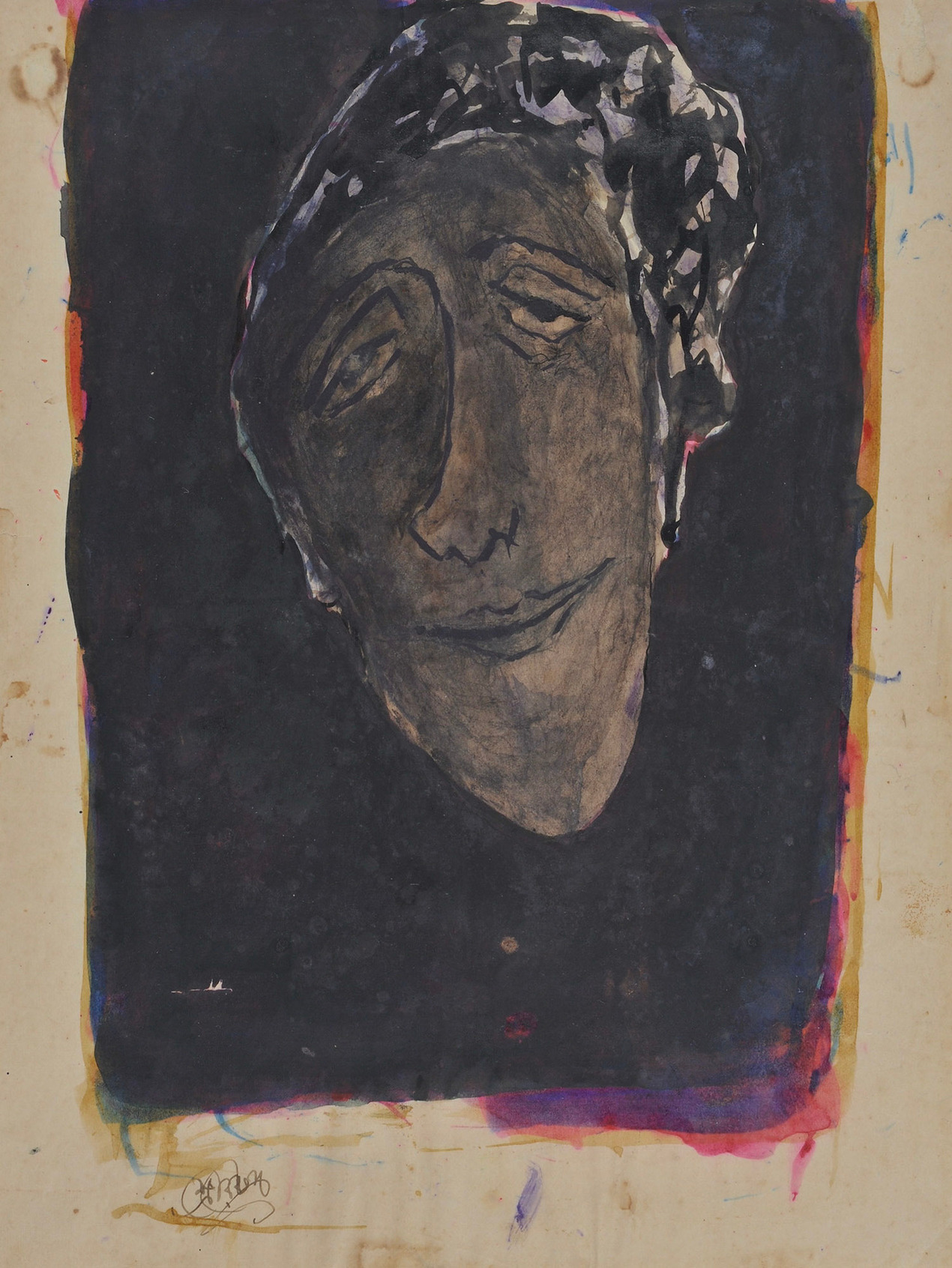
6. Untitled (“Face of Young Woman”), ca. 1931–1932
7. Untitled (“Man with Goat”), 1935
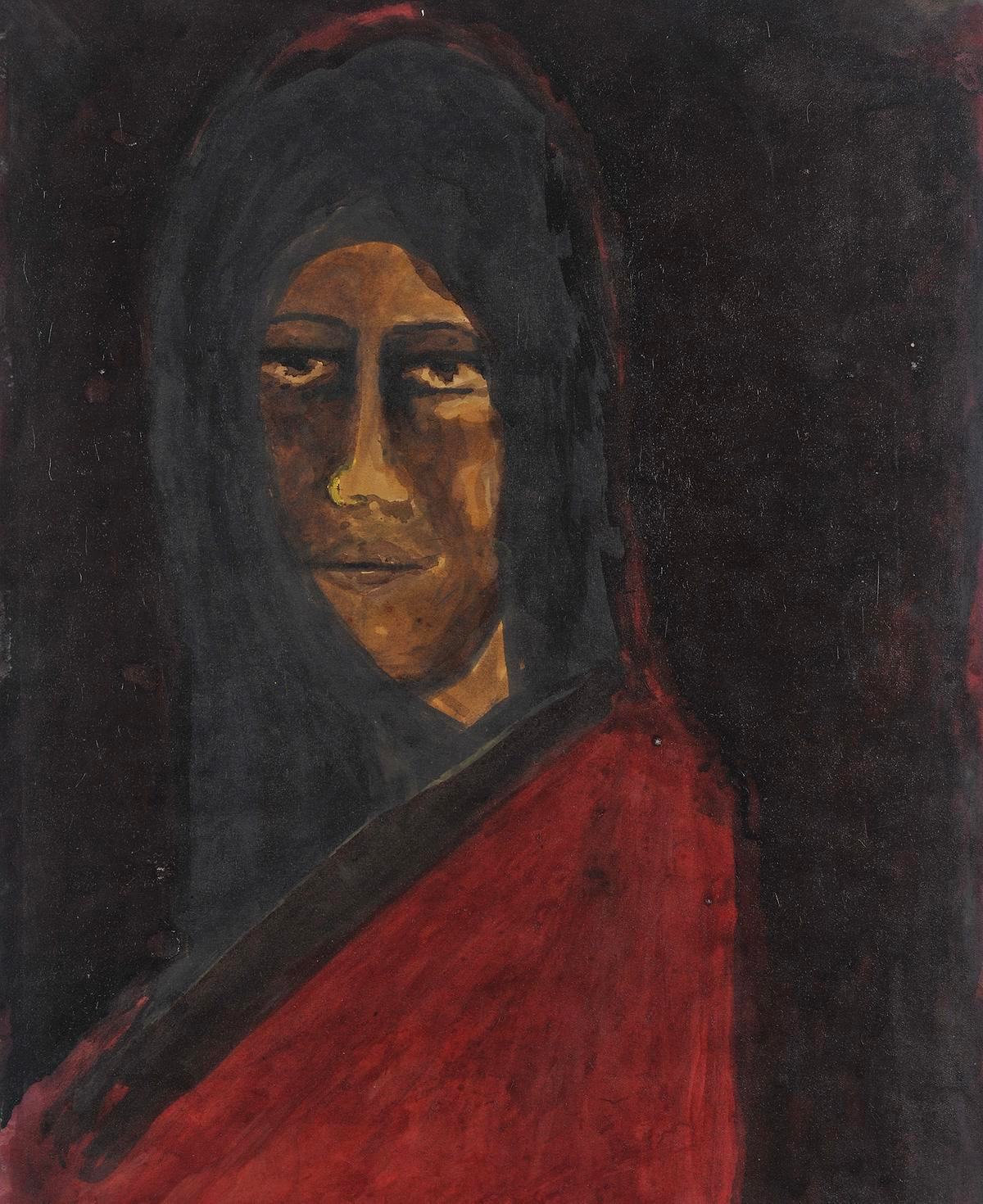
8. Untitled (“Veiled Woman in Red Sari”), 1937
The project is centred on Tagore’s ideas about holistic education and collective creativity, openness to the traditions of East and West alike, and the unity of nature and man, craft and art. These ideas were most fully realised at Visva-Bharati University, which Tagore founded in 1921 in West Bengal as an alternative to British colonial schools. Many prominent Indian artists and visionaries who would shape the country’s future worked here at Tagore’s invitation. The University’s teaching model and the layout of its campus, devised by the founder himself, largely determined the concept and architecture of the exhibition at
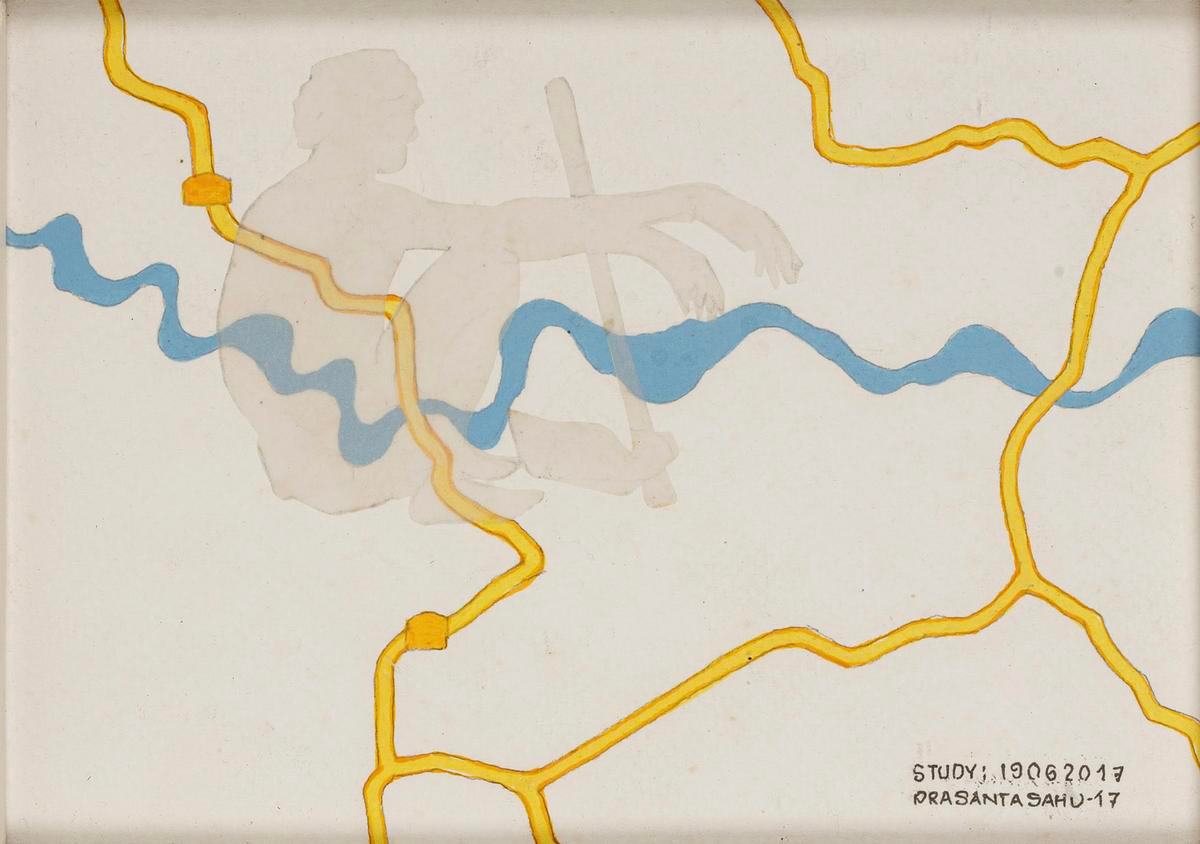
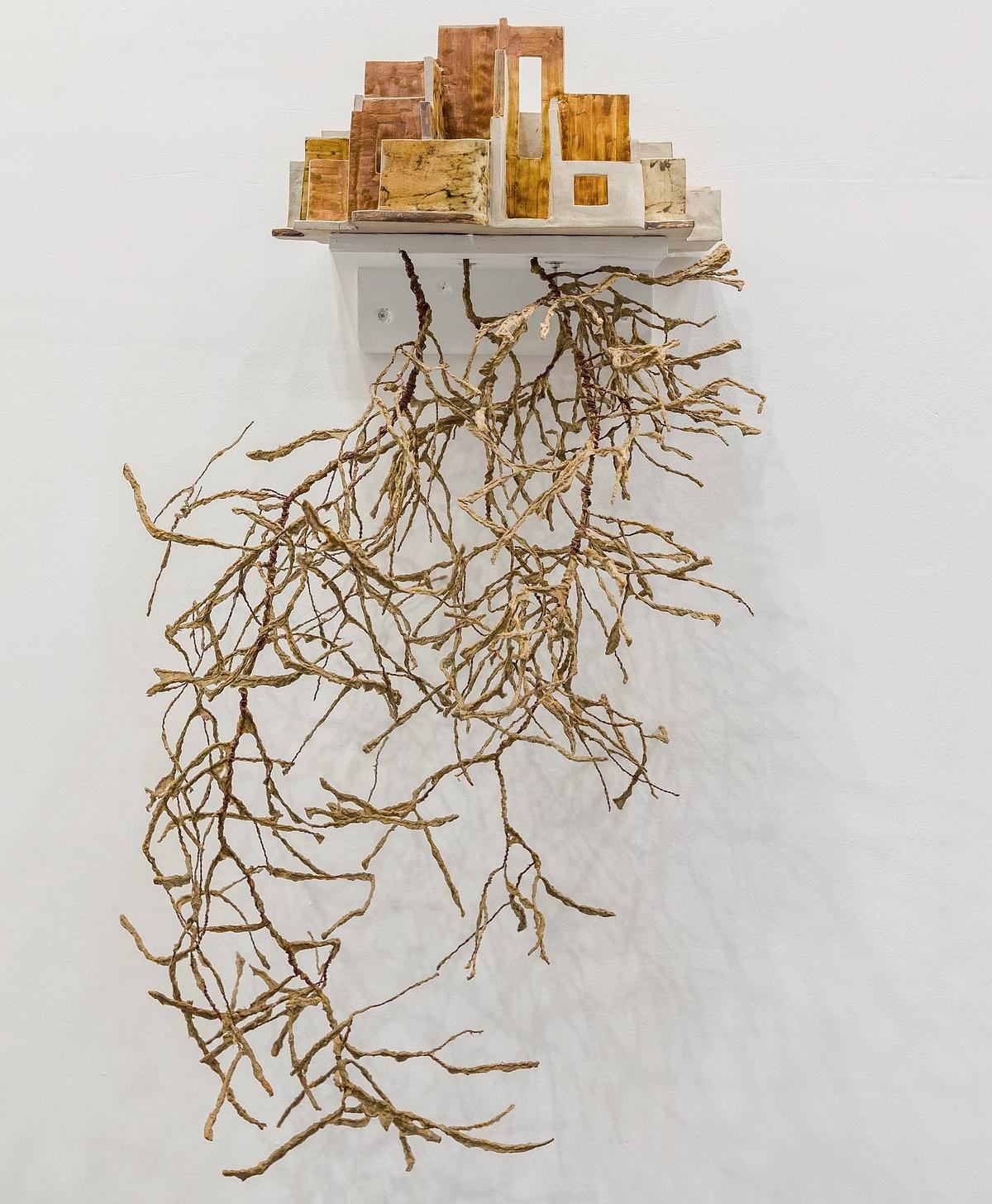
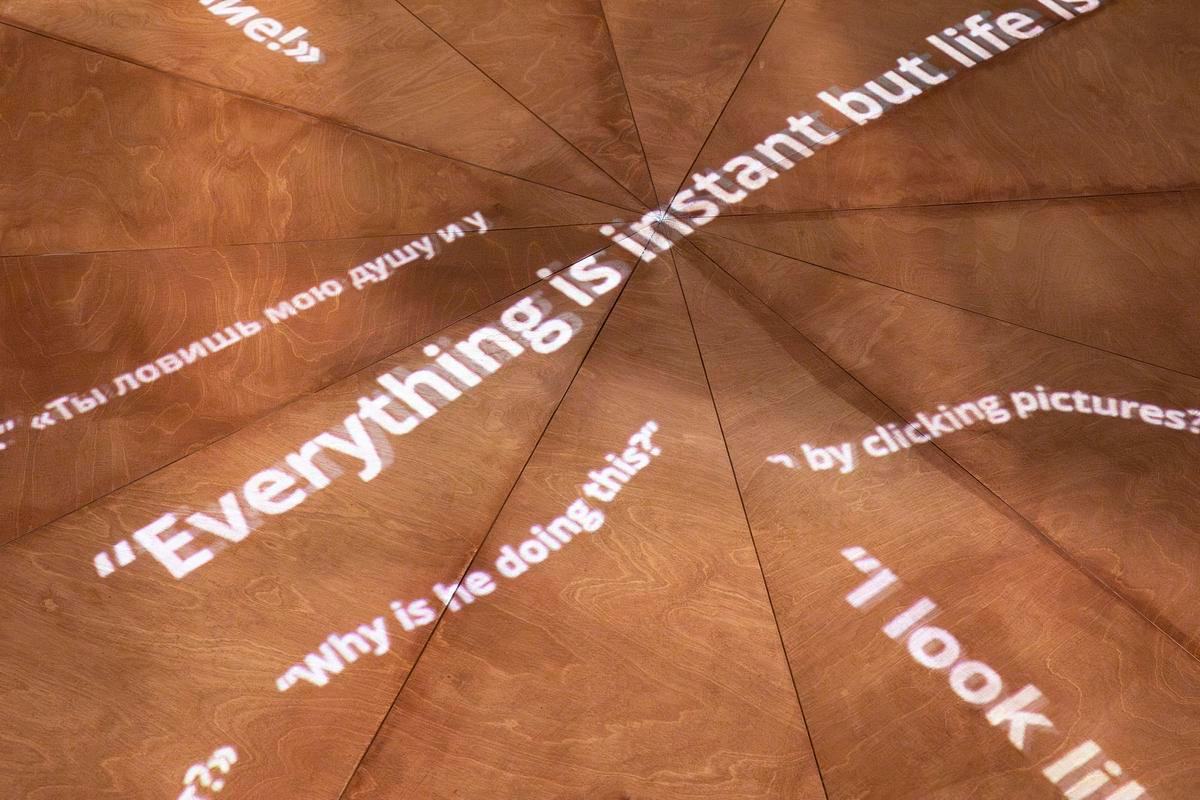
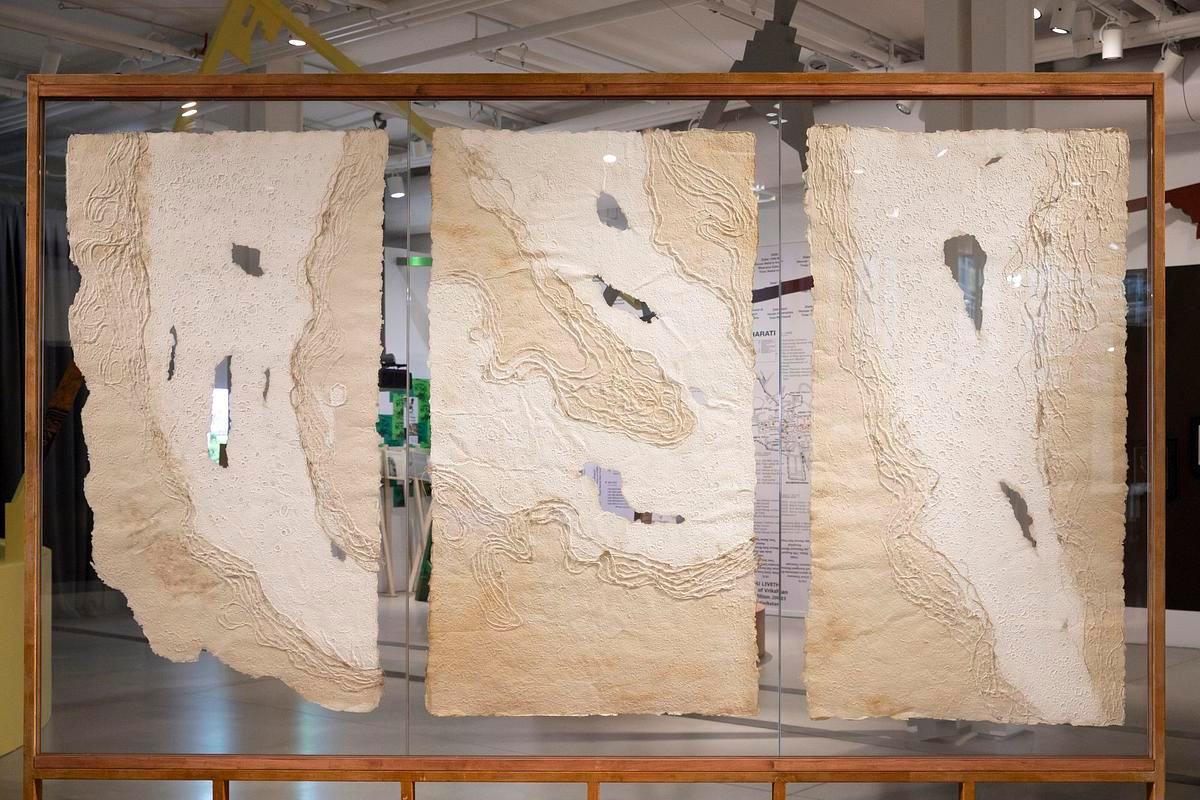
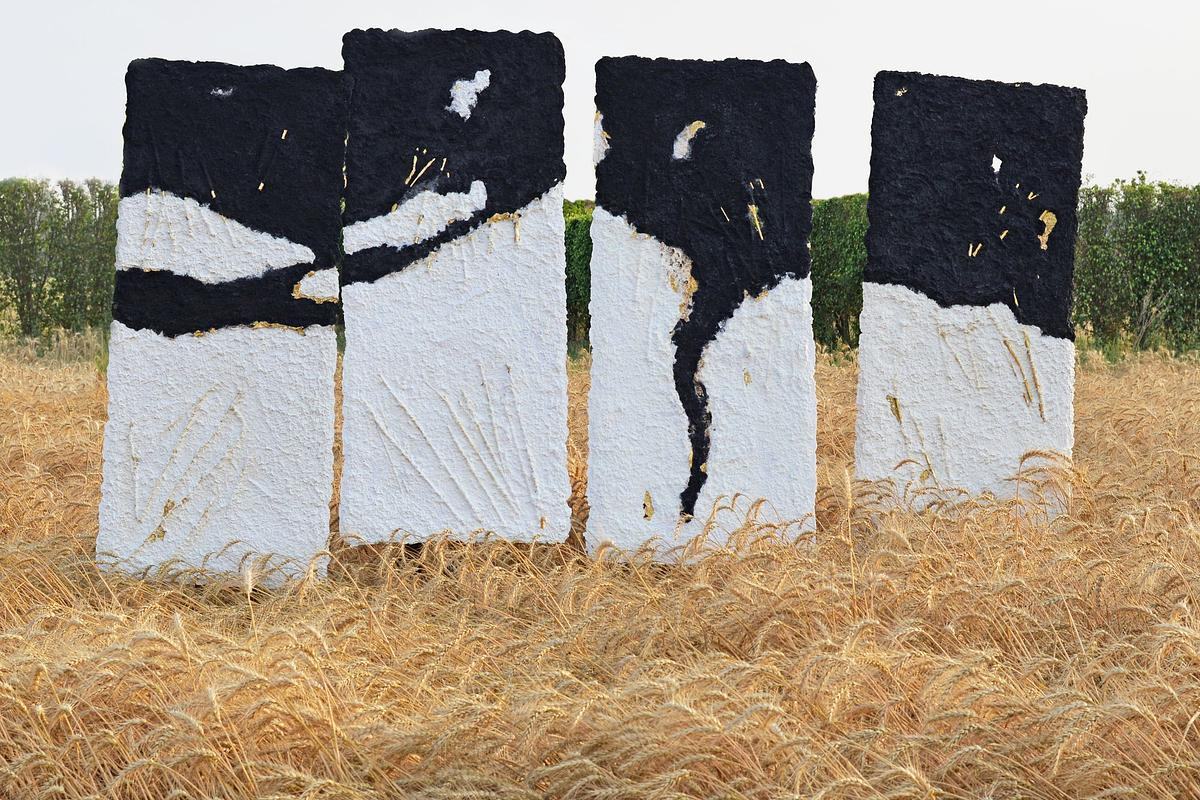
The exhibition features paintings by Rabindranath Tagore himself, archival materials dedicated to an exhibition of his work in Moscow in 1930, when Tagore visited the Soviet capital in person, as well as works by contemporary Indian and Russian artists, including recent graduates of Visva-Bharati University, who re-examine Tagore’s legacy and show the relevance of his ideas today.
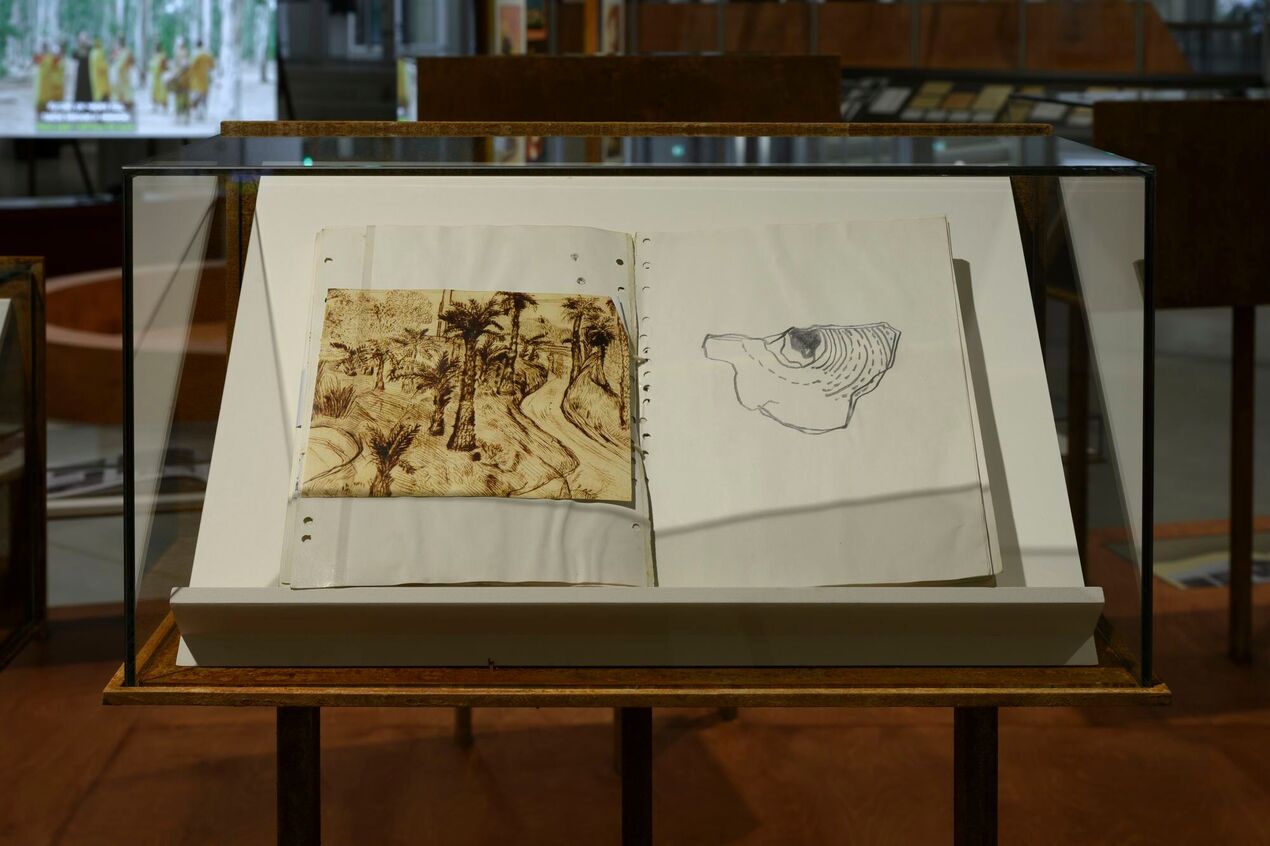
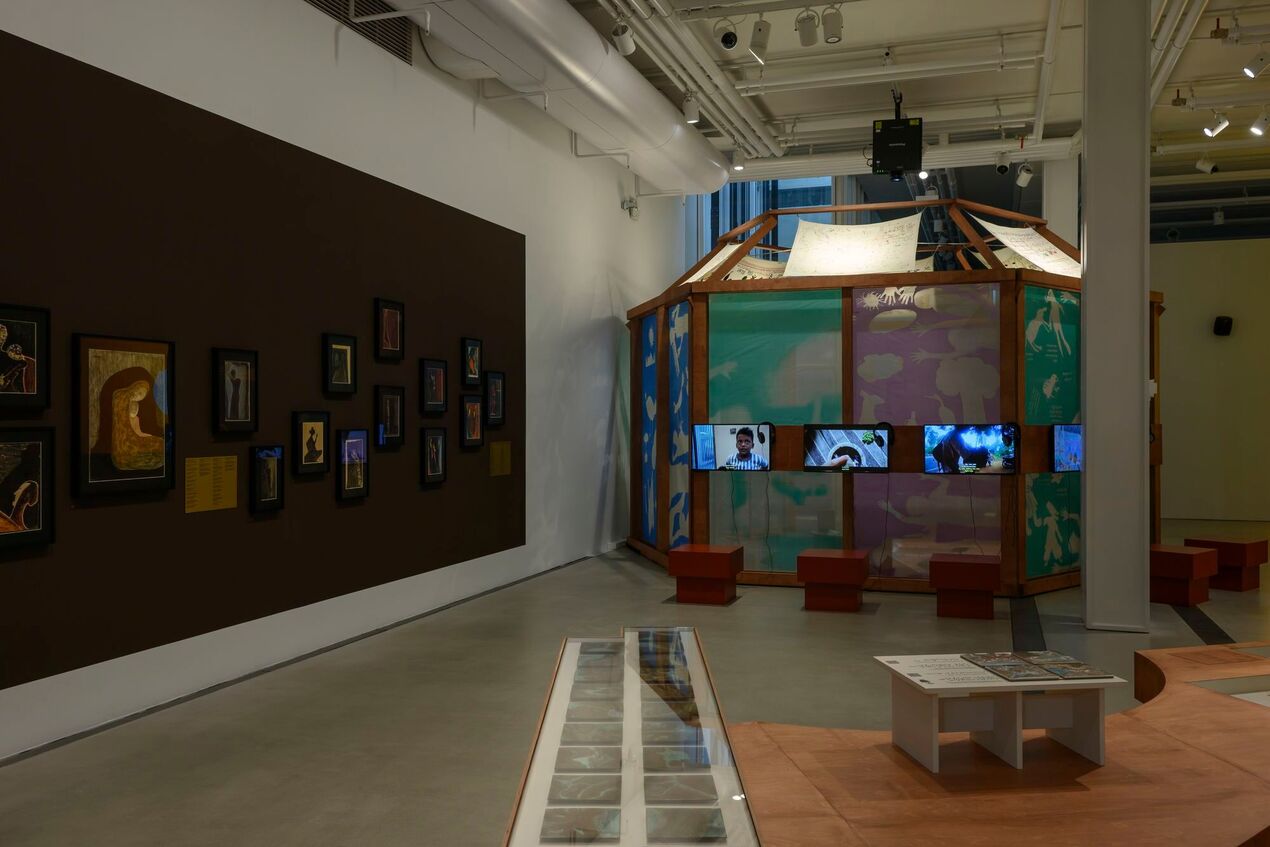
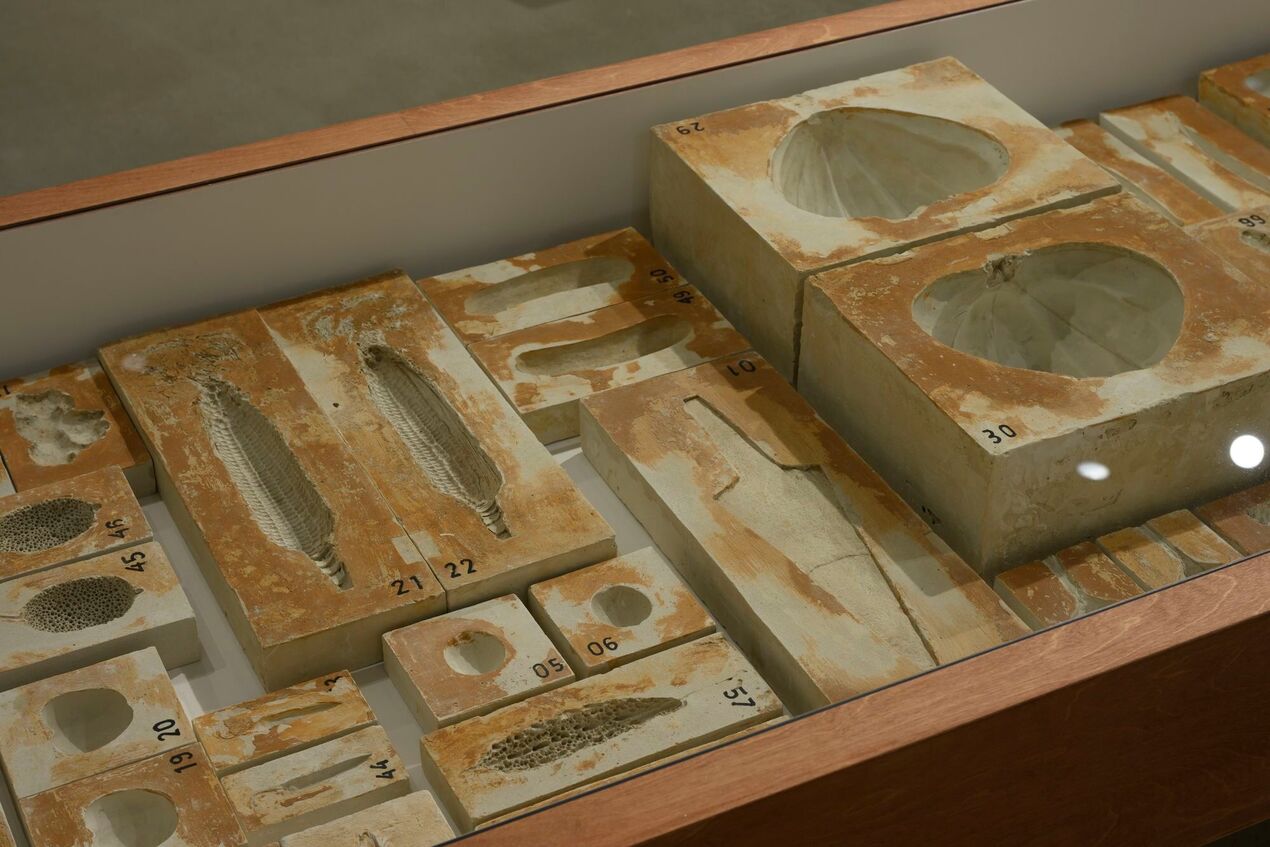
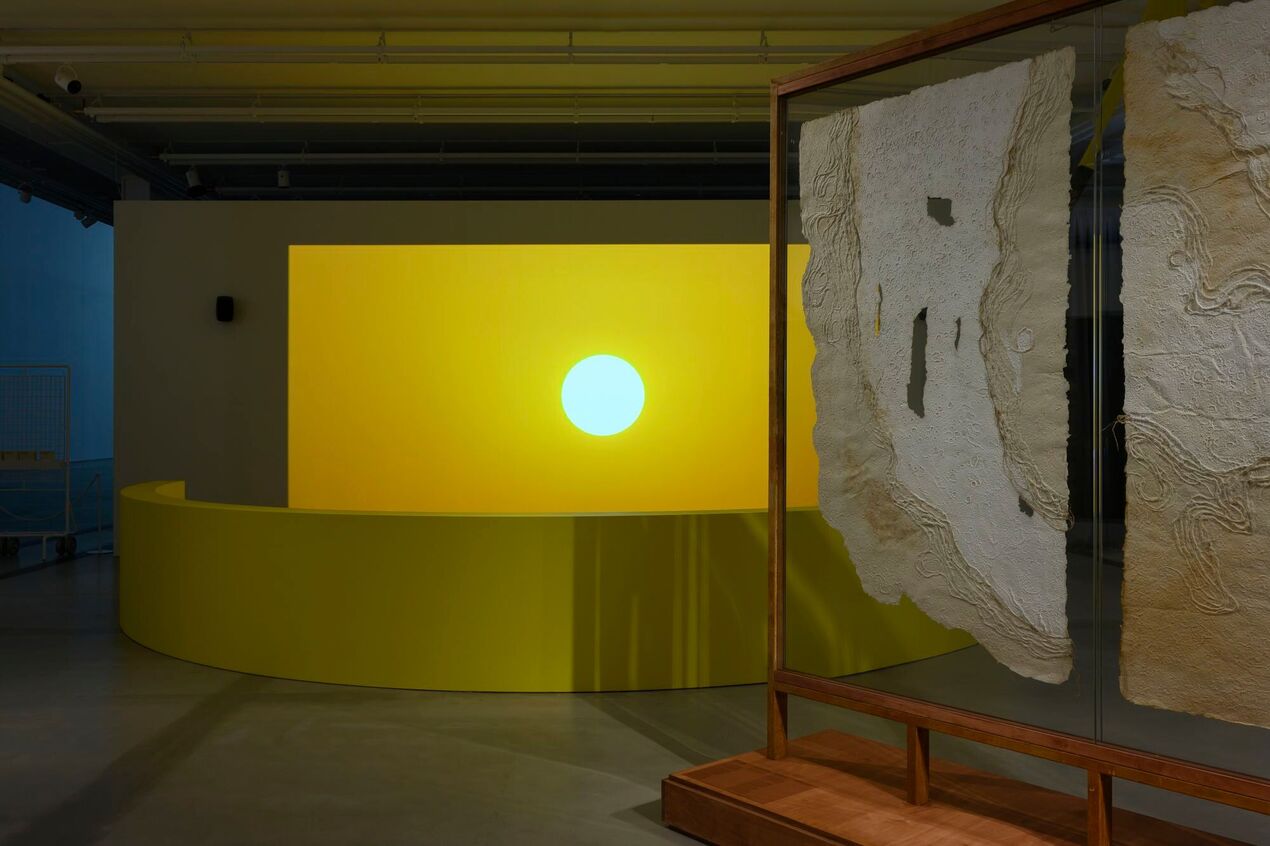
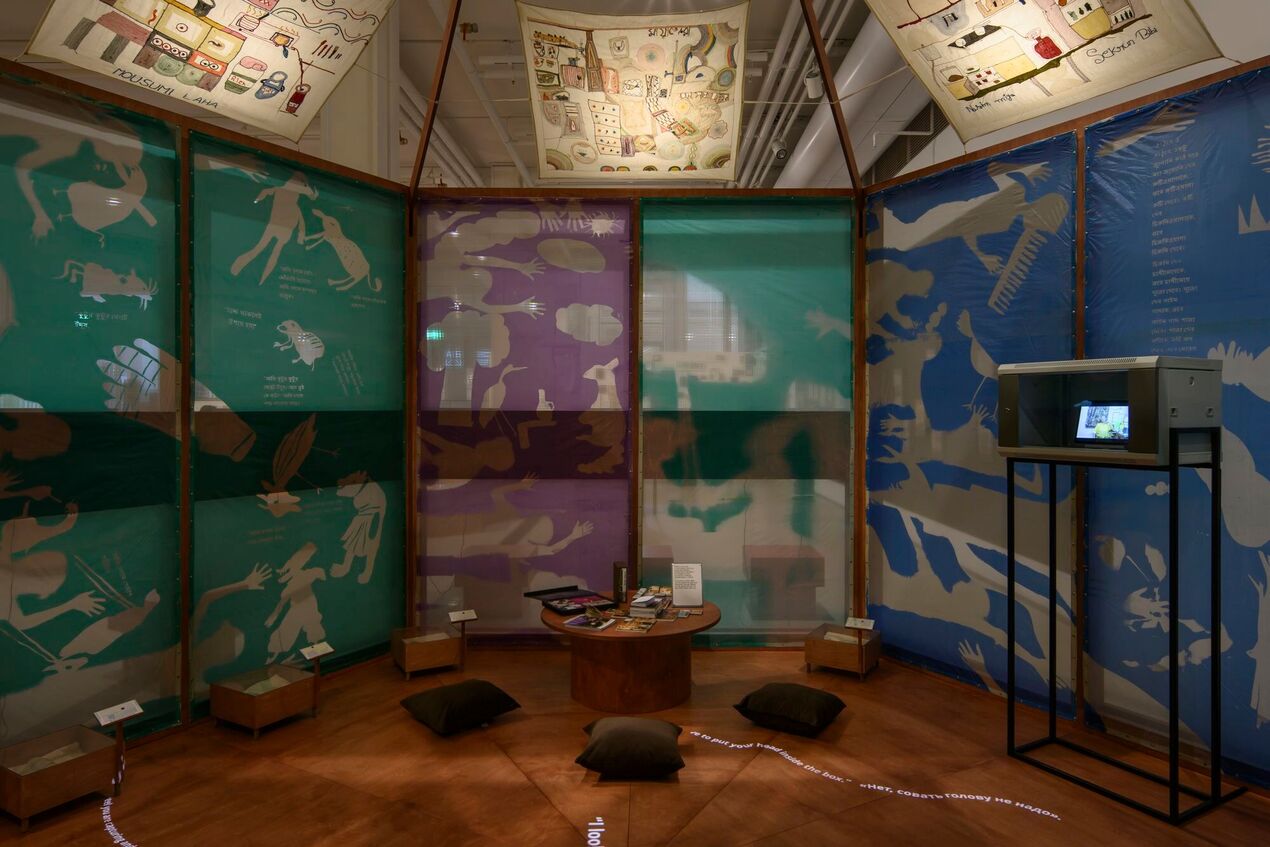
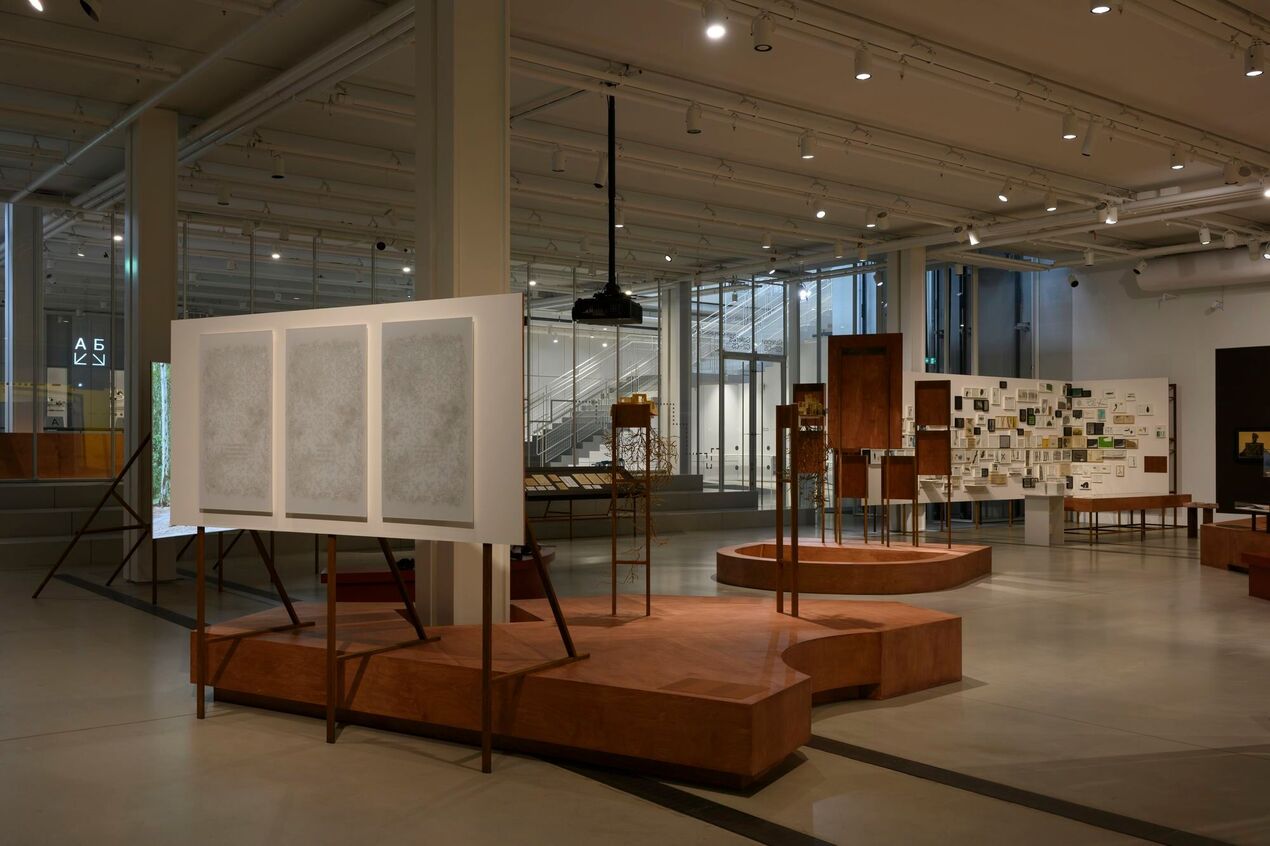
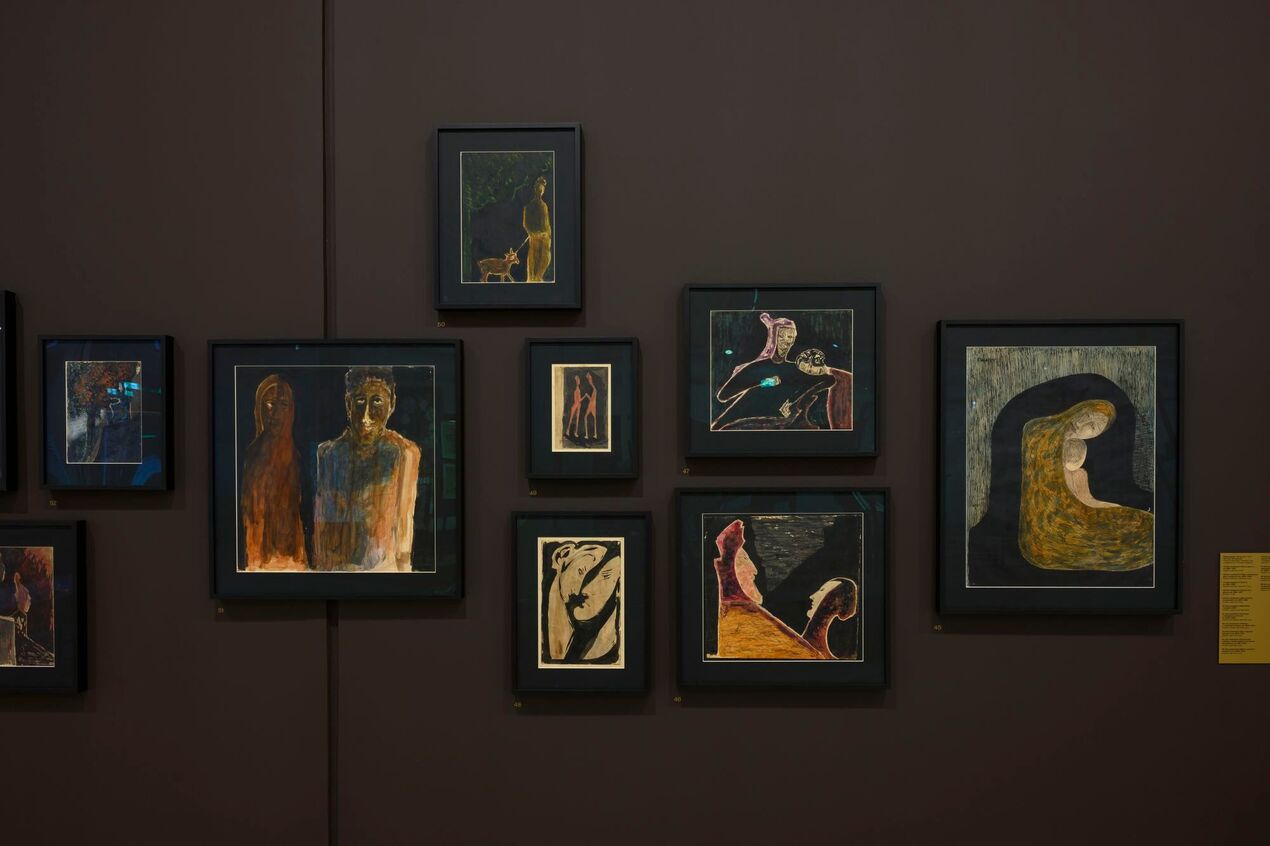
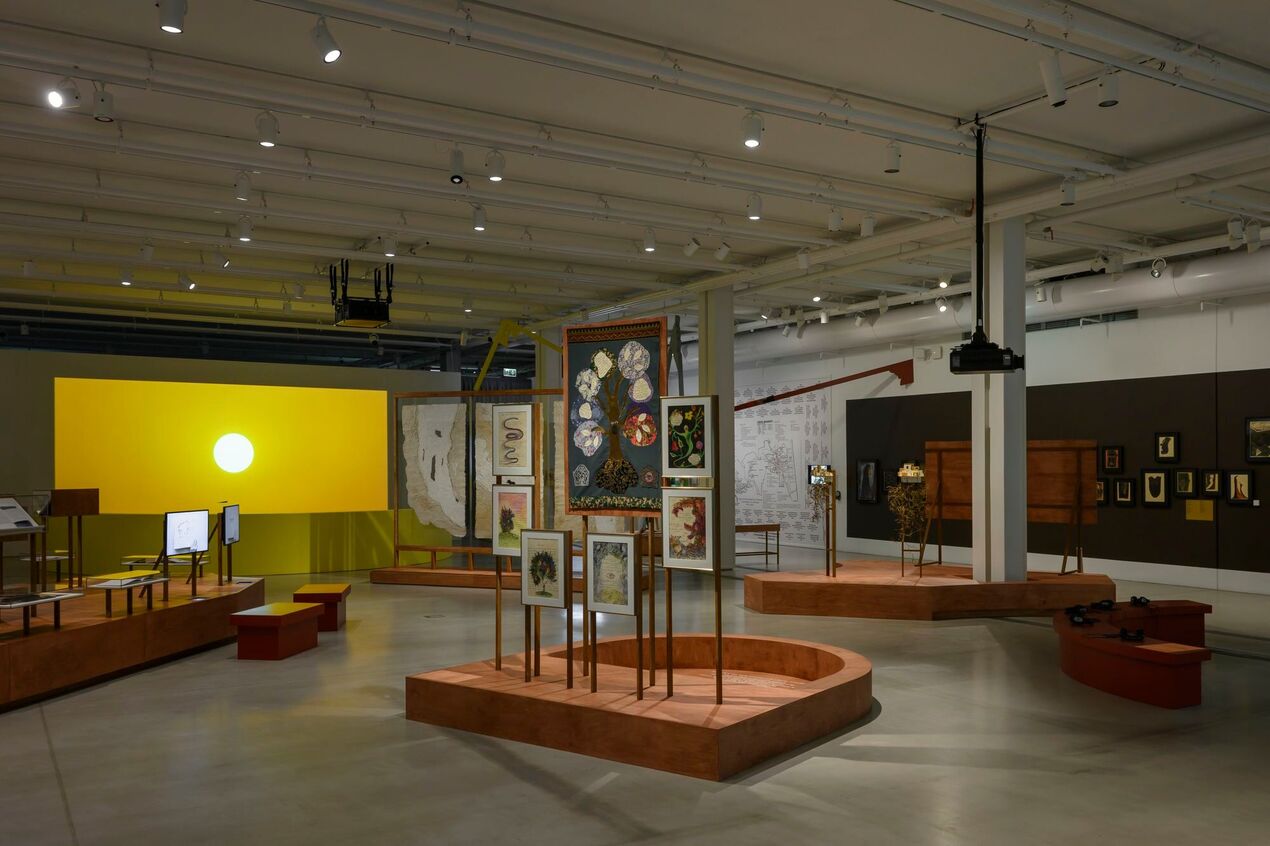
All photos: Daniel Annenkov
Authors
Rabindranath Tagore — Abhishek Chakraborty — Ruma Choudhury — Samit Das — GABAA — Sanchayan Ghosh — Sangita Maity — Liza Neklessa — Ivan Novikov — The Otolith Group — Ulyana Podkorytova — Raqs Media Collective — Prasanta Sahu
The exhibition is organised in collaboration with Visva-Bharati University*
Exhibition partner
With the noble agency of
* This project features the official logo of Visva-Bharati University—one of the India’s key cultural and educational institutions founded by Rabindranath Tagore. The logo’s visual symbolism is deeply rooted in Indian cultural and historical traditions.