
Laboratory
RDC 2026/2027 KazanOct 2026–May 2027
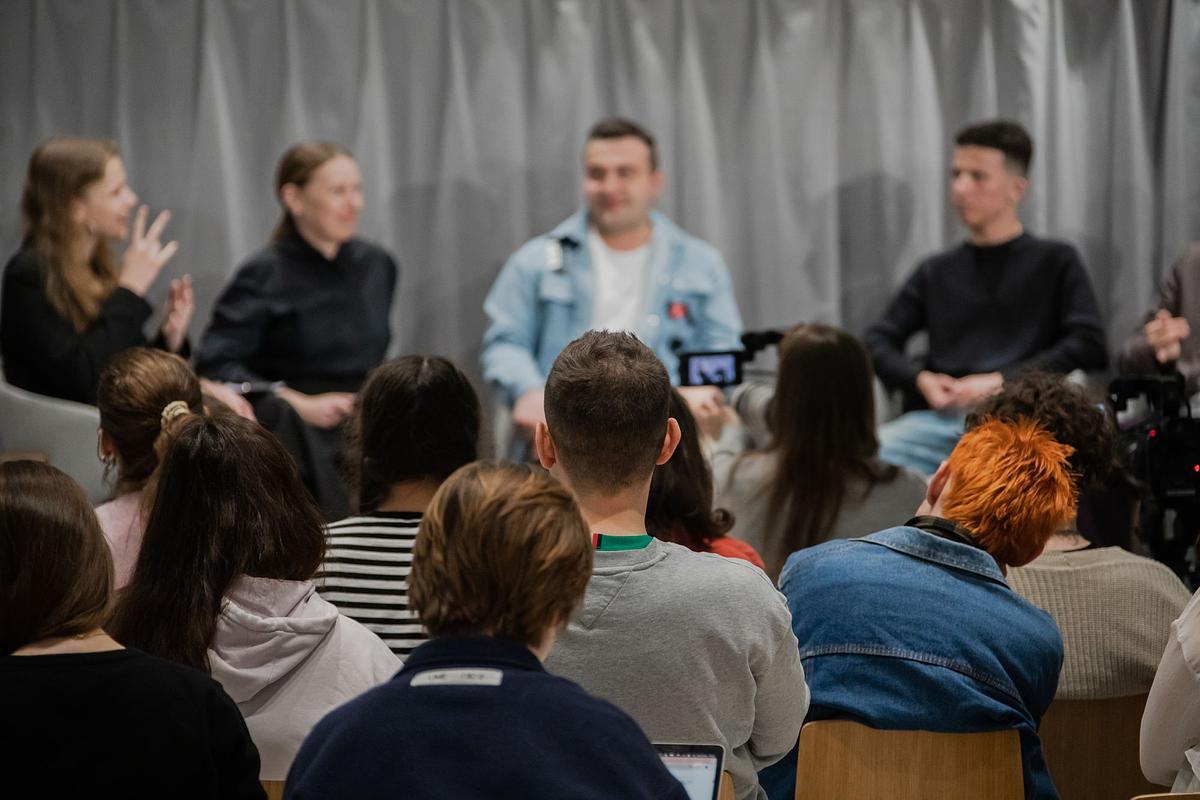
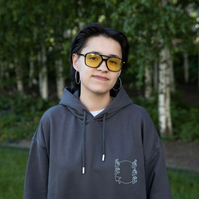
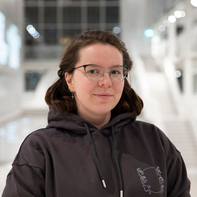
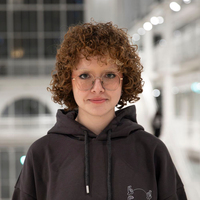
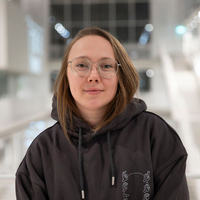
The Researching the Deaf Community Lab is part of the interdisciplinary Researching the Deaf Community project. Together with specialists, we investigate what it means to be Deaf today, what the Deaf community is, and how the identity of its members is formed.
We invite Deaf, hard of hearing, and hearing participants aged 16 and over to join the lab. For further details, please email us at rdc@ges-2.org.
The lab’s key objective is to make Deaf, hard of hearing, and young hearing people active participants in the research process by developing reflexivity, building competencies, sharing experience, and fostering interest in the Deaf community.
During its first two years, the lab operated as a study group. Its members, who are representatives of the community, had never been involved in research before, but over several years they developed expertise, and members of the academic community—Deaf culture specialists, historians, and sociologists—joined the discussions. As a result, the study group expanded into the fully-fledged Researching the Deaf Community Lab in 2024.
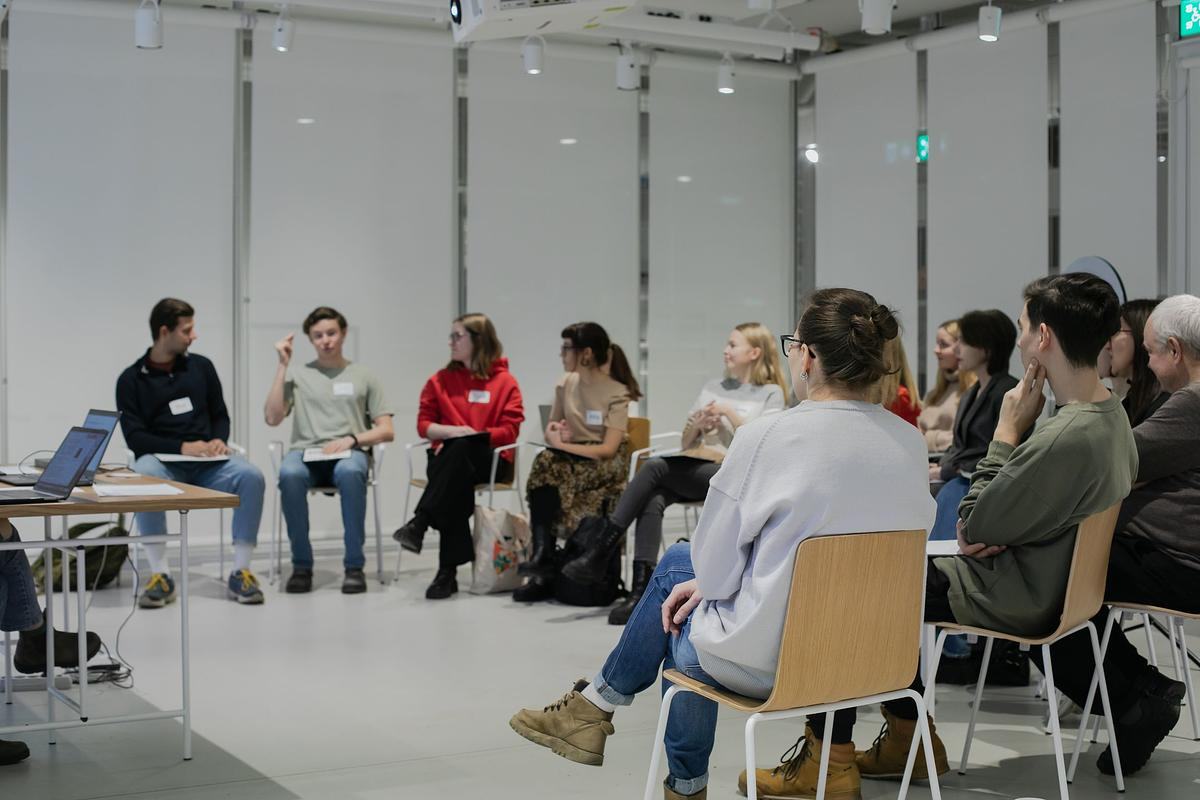
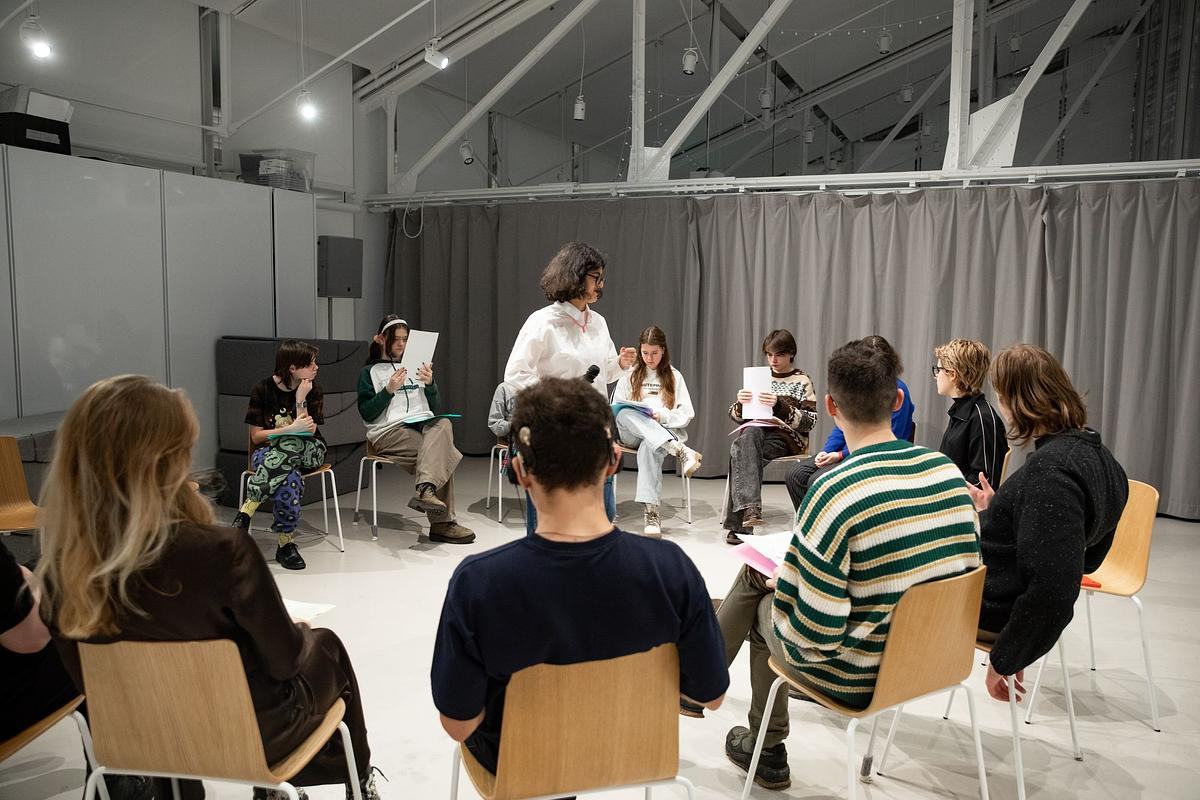
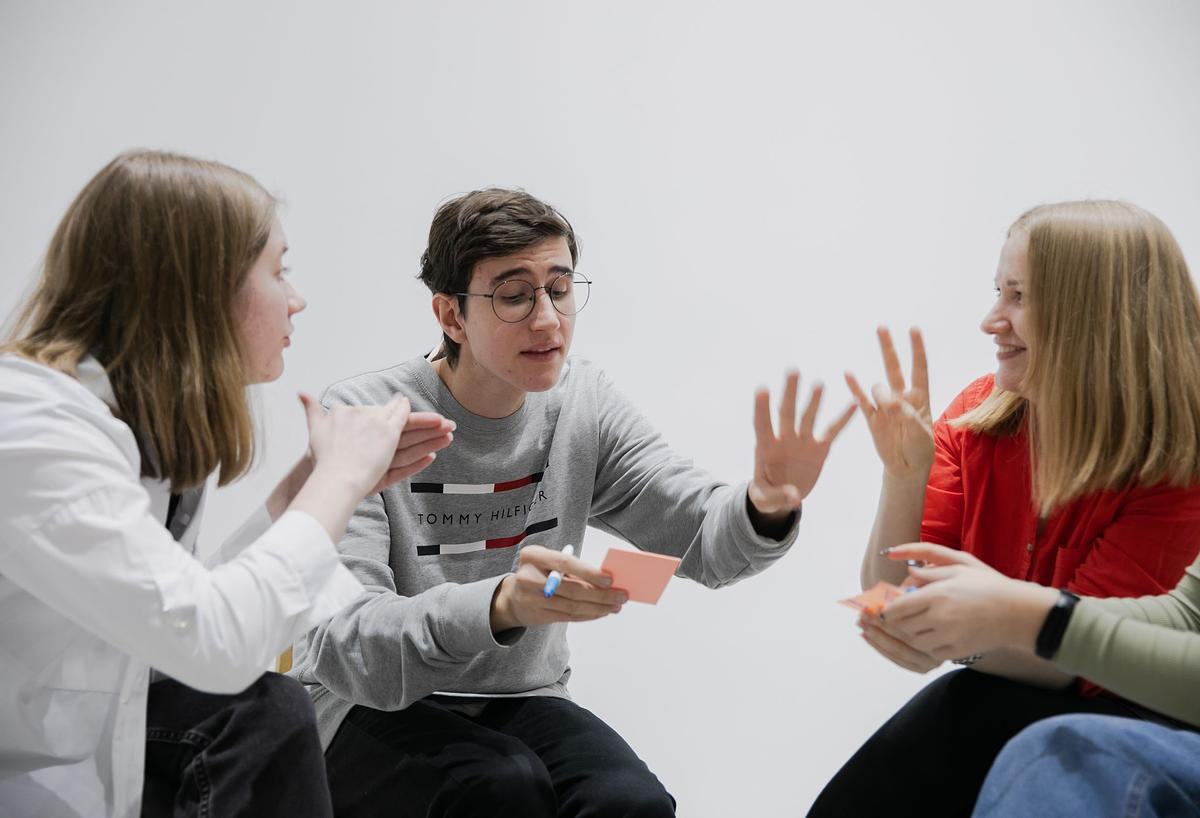
The programme runs from autumn to summer, mirroring the academic year, and consists of four modules. The first is dedicated to the history of the Deaf community and the linguistics of sign languages. The second covers sociological research methodology. The third involves reading and discussing key texts on the Deaf community. The fourth module is practical: participants split into teams to research topics of their own choosing, guided by curators and tutors.
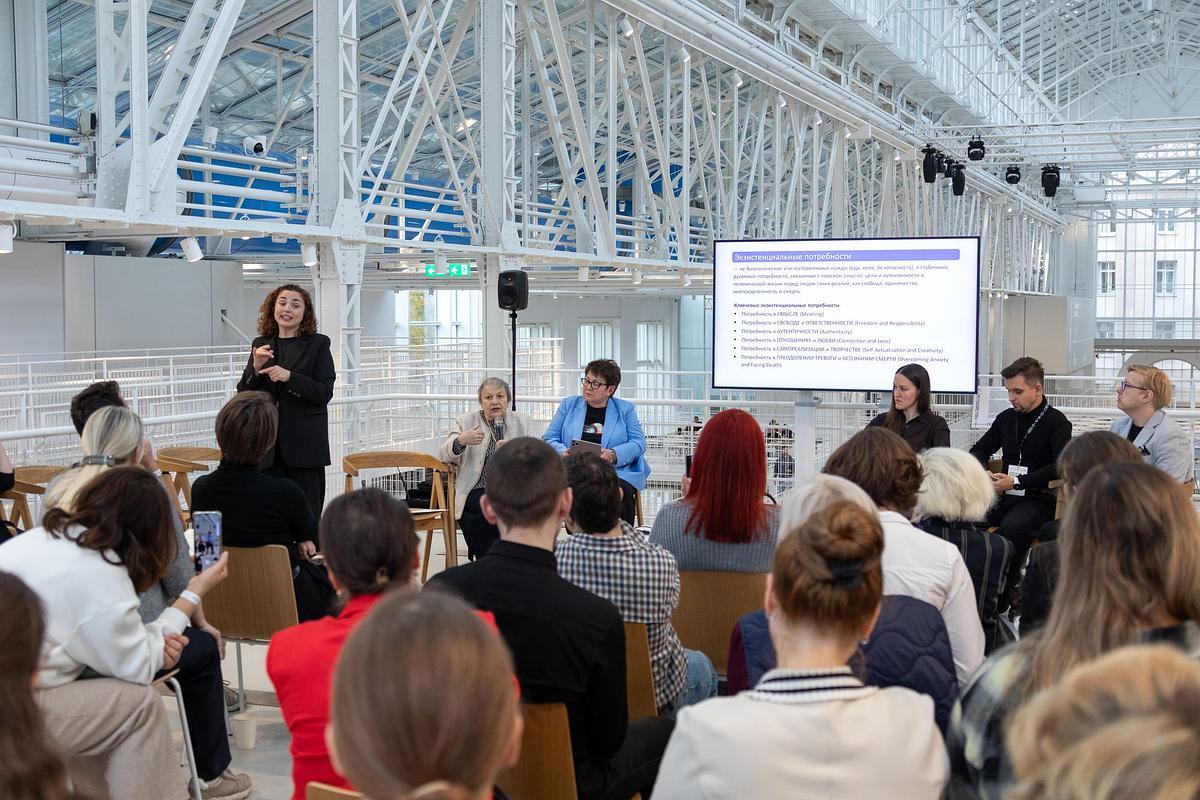
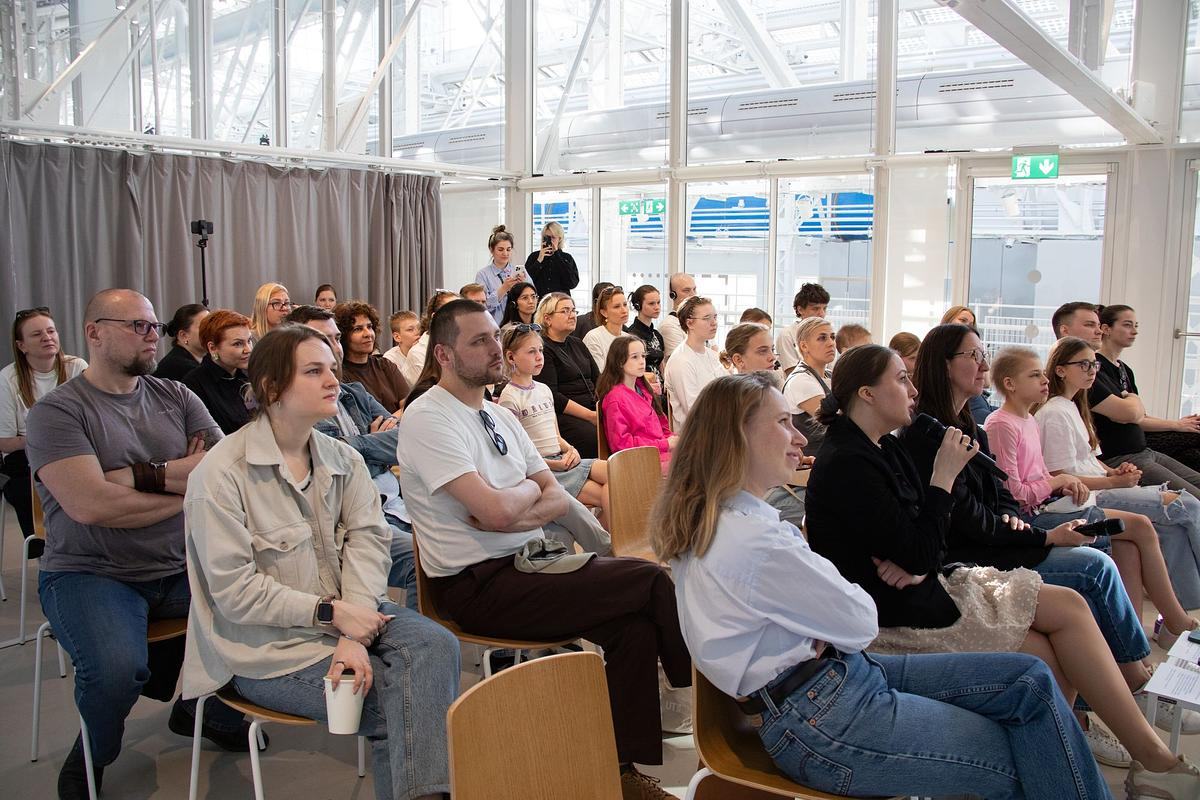
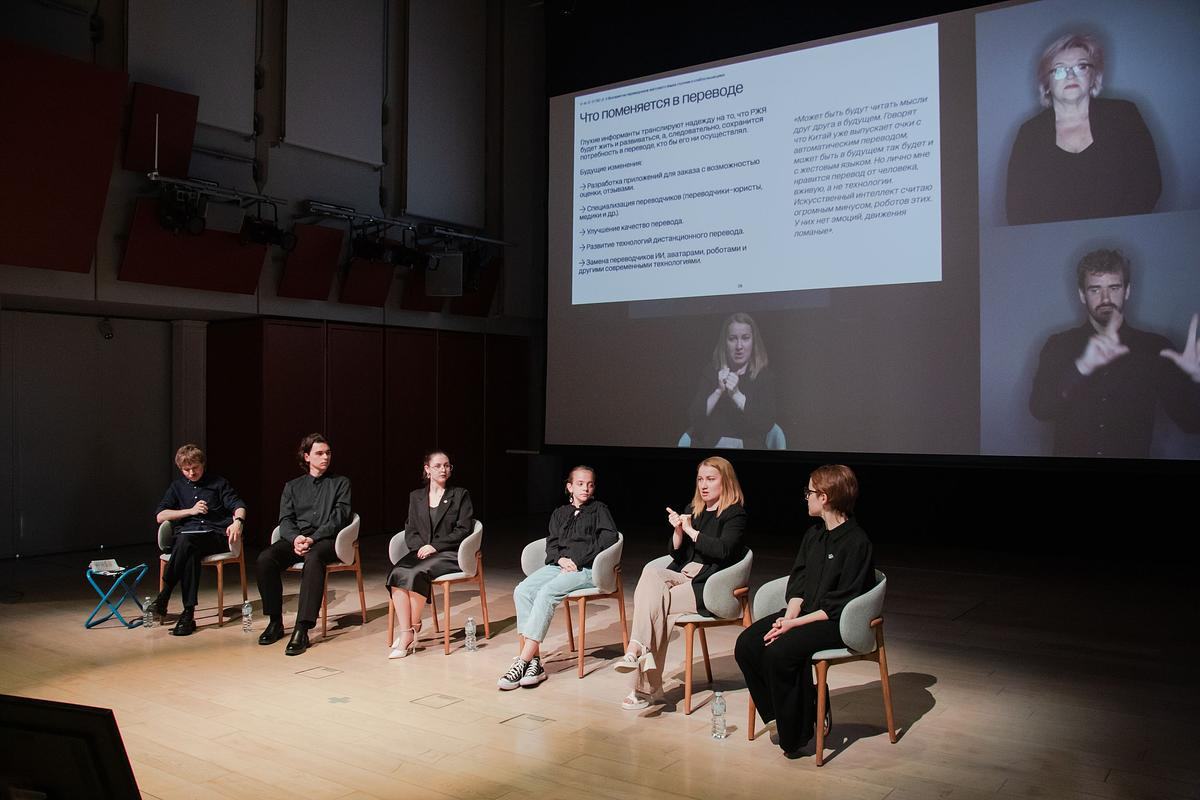
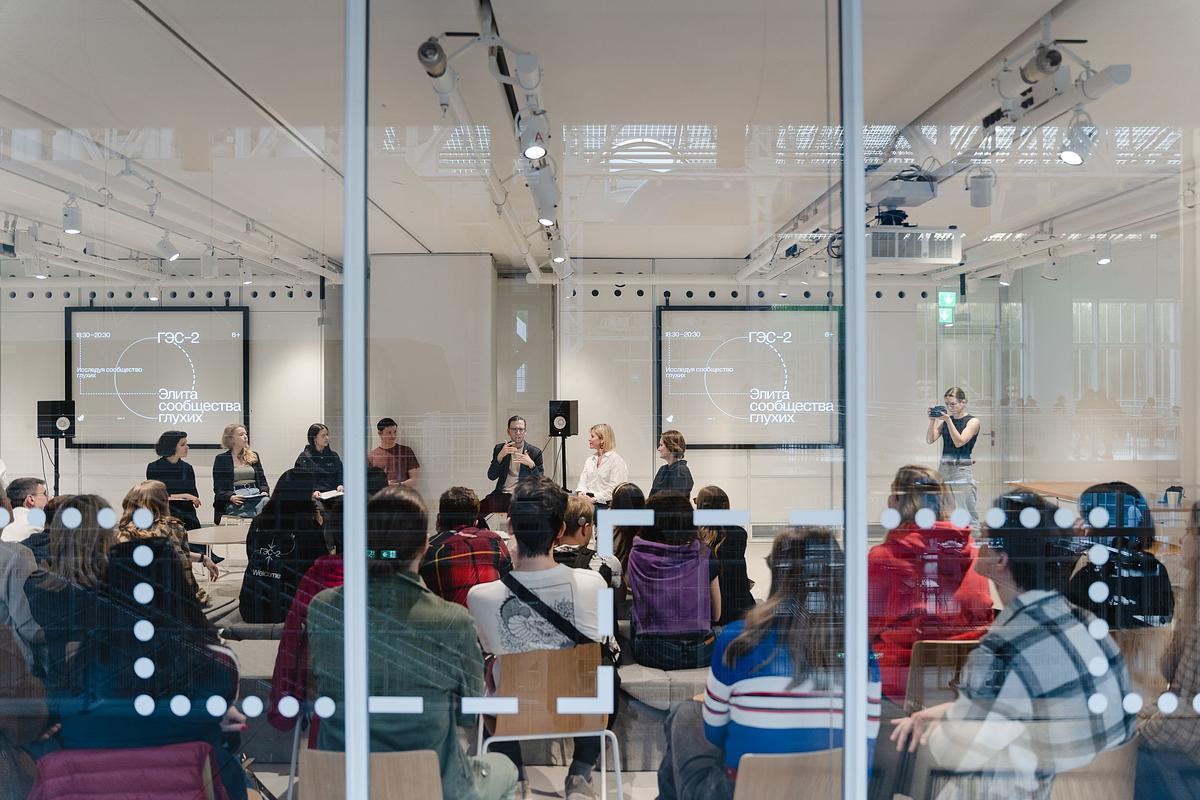
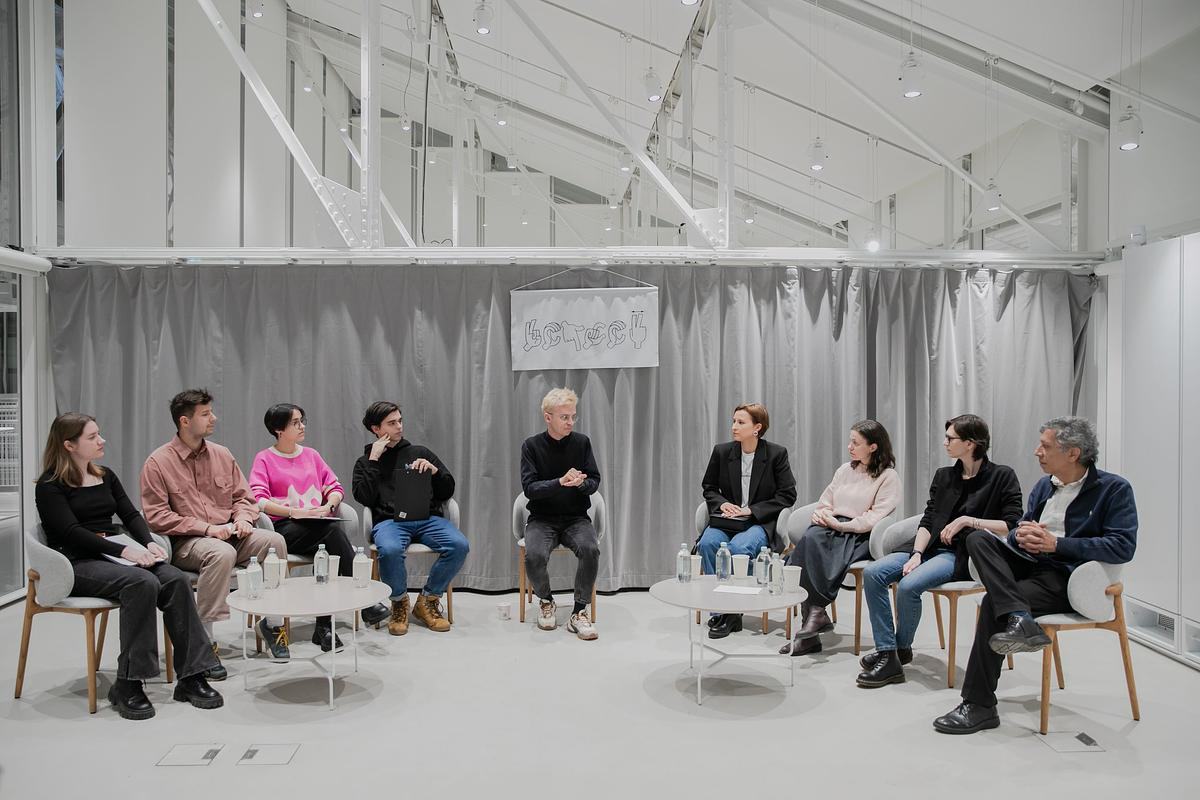
At the beginning of summer, participants present their work to the public and discuss it with community experts as well as culture and education specialists. Having received feedback, the teams compile their results into articles, which undergo peer review and are published in the Researching the Deaf Community Almanac.
Every autumn, the lab team goes on research expeditions: we visited Petropavlovsk-Kamchatsky (2023), Kazan (2024), and Minsk (2025). In addition, lab representatives participate in various conferences and seminars.
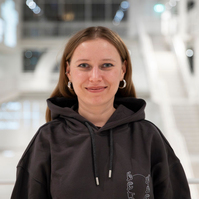
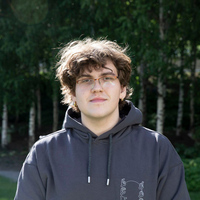
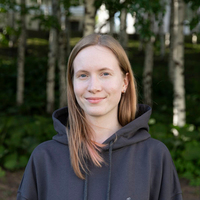
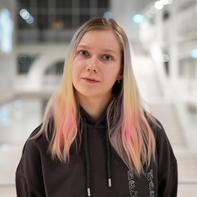
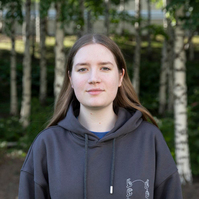
Ekaterina Belkina
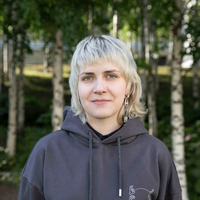
Alina Babaeva
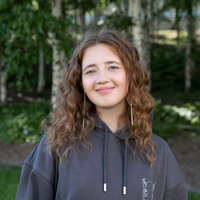
Olga Borgoyakova
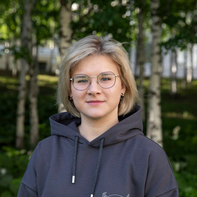
Diana Vasyukova
Anna Degtyareva
Alexandra Gladkova
Alexander Zhuravets
Anna Zueva
Vasily Kalinin
Darina Kashirina
Anna Kochurova
Natalya Krivolapova
Tatiana Losikhina
Natalya Makarova
Varvara Merenkova
Patrisia Poleshchuk
Vasilisa Savelyeva
Rita Sadyrina
Polina Sdobnikova
Alina Sadikova
Antonina Stolyarova
Alina Taran
Eduard Khlyupin
Danila Chetverikov
Nika Chupyatova
Past participants
Timofey Belov, Claire, Varvara Dzyuba, Anna Grigoryan, Anna Ivanova, Polina Khait, Elina Kurkova, Evangelina Livanova, Makar Makarkin, Dmitry Mallabiu, Petya Malyshev, Darya Mazaeva, Alena Ogorodnikova, Alexander Olifir, Gleb Polev, Nadezhda Shchagina, Bronislav Skachkov, Arina Stanevskaya, Gelya Vasilenkova, Maria Vedeneeva, Natalya Yaroslavkina, Maxim Yudakov, Ilya Zhadan
Curators
Nikita Bolshakov, Vlad Kolesnikov (hard of hearing)
Producer
Olga Koroleva
Coordinator
Danila Chetverikov, (Deaf)
Guest teachers and lecturers
Svetlana Burkova, Nadezhda Chaushyan, Yulia Krygina, Viktor Palenny, Darya Semenova, Alexandra Tumarkina, Valeria Vinogradova, Elena Iarskaya-Smirnova
Tutors over the years
Yulia Apanasenko, Lyudmila Luchkova, Veronika Molchanova, Yulia Shamsutdinova, Polina Vrublevskaya, Lyudmila Zhadan, Polina Zotova