Film screening
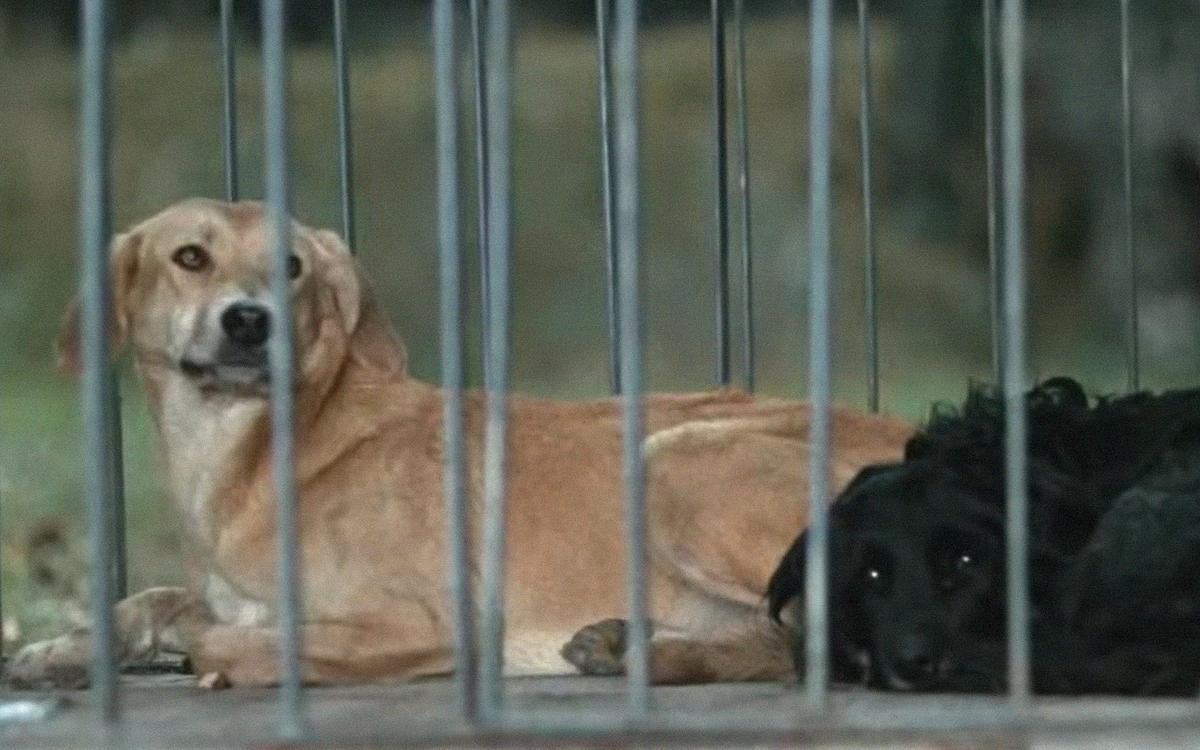
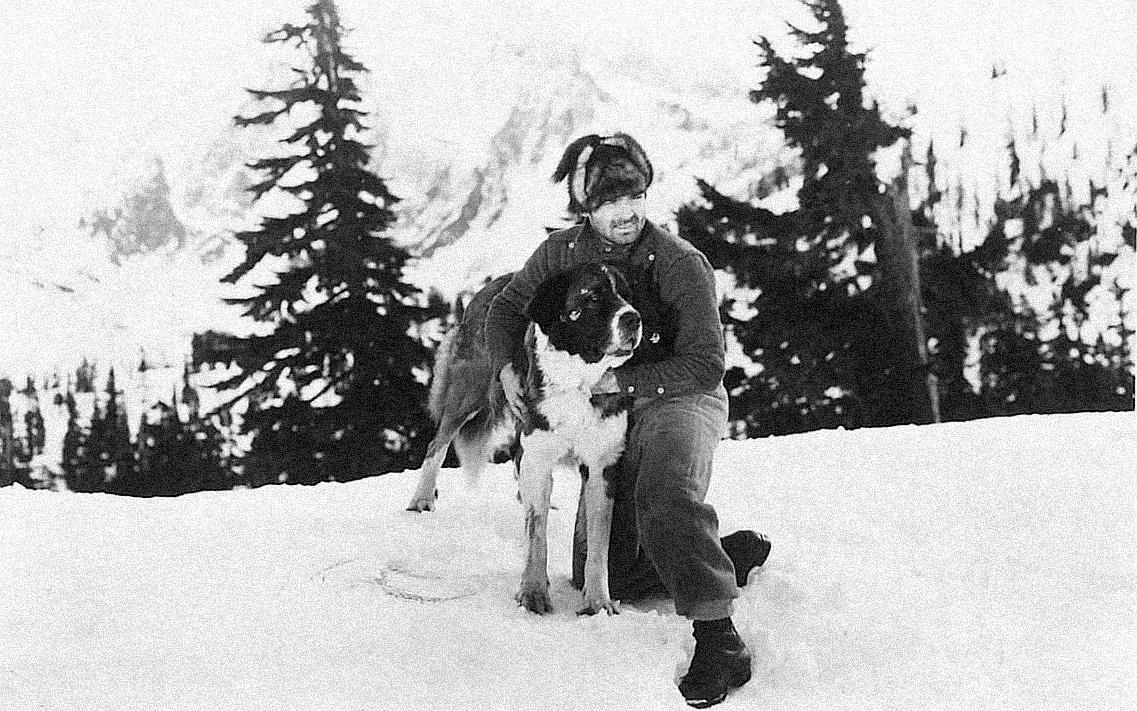
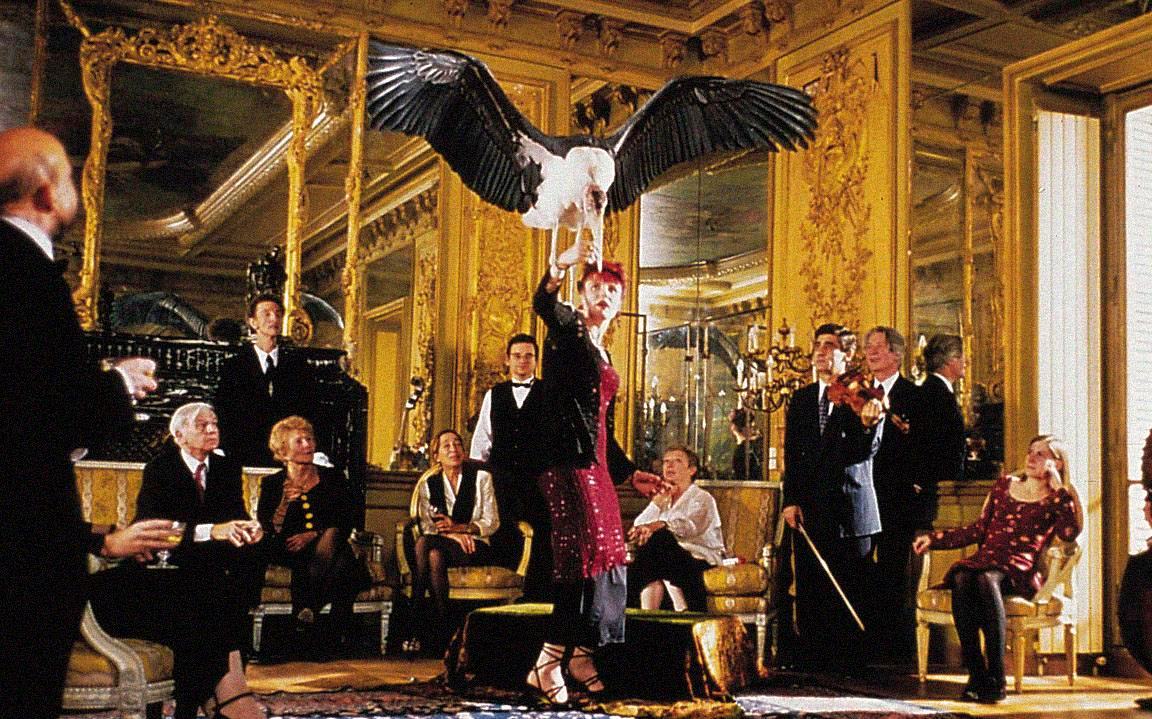
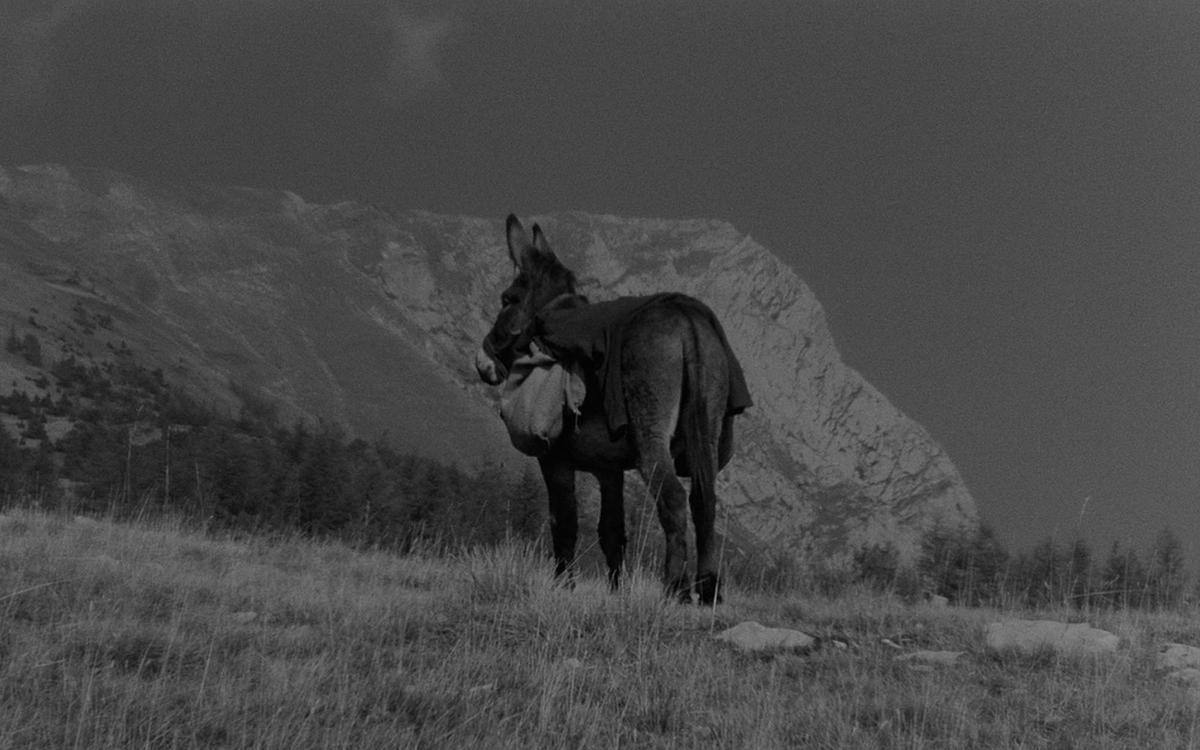
Hyenas. Animalistic AnomalousCinema searches for a place for animals in modernity—and, in doing so, finds itself—in a new film programme at
Horses stand at the origins of cinema—if “stand” is the right word. The racing mare Sallie Gardner and the horses Occident, Mahomet, and Abe Edgington galloped and trotted through Eadweard Muybridge’s famous chronophotographic series (1878), which became a crucial step toward the birth of cinema. The British photographer sought a way to capture an animal in motion through sequential images—and to reveal something invisible to the human eye. Following the horses, the image itself began to move; and Muybridge, who presented this movement to the public, became one of the forefathers of cinema.
The changes that would take place in the treatment of animals relied not merely on philosophical, religious or political stances but the way in which animals were literally and metaphorically seen. The very act of seeing became crucial in the formation of the modern person.
— Hilda Kean, Animal Rights: Political and Social Change in Britain Since 1800
A century and a half later, it seems only just to recognise that Sallie Gardner was not merely the subject of Muybridge’s images, but their inspiration—and, in a more equitable vision of history, even their co-author. The animal’s presence on screen appears to hold one of the fundamental secrets of cinema, a source of its hypnotic power. Not to mention that animals have repeatedly inspired the development of film technology itself—from the Lumière brothers’ early films to the computer-generated effects Spielberg used to bring the dinosaurs of Jurassic Park to life.
Throughout its history, cinema has sought to enchant and astonish. Animals possess these qualities innately—and, once they entered the frame, they aided the new art form. At the same time, the increasing visibility of animals on screen and the depiction of their suffering contributed to the rise of animal rights movements and to shifts in animals’ social status.
Сinema is a magical medium, and as well as murder and anxiety, it can conjure other worlds, other modes of engagement, other imaginative perspectives on human and nonhuman relations and encounters.
— Lesley Stern, “Once I’ve devoured your soul we are neither animal nor human”: The Cinema as an Animist Universe
Historian Hilda Kean goes even further in her book Animal Rights: Political and Social Change in Britain since 1800, linking these transformations to modernisation itself and to the emergence of modern humanity—through the metaphorically and symbolically charged gaze directed at the animal. She thus identifies the image of the animal as one of the essential projects of modernity.
To link the image of the animal with modernity is to confront a dense web of contradictions that shapes our experience of both. Despite ethical advances in our relationship with nature, the modern world rests on a continuous, largely invisible cycle of violence against it. When cinema brings the animal into the frame, it makes this contradiction visible. The animal on screen is always both itself and its own representation: at once actor and character, subject and narrative figure. Through its sheer natural presence, it introduces an unpredictable intrusion of the hyperreal into the carefully constructed reality of the cinematic image.
In step with shifts in ethical thinking, contemporary cinema has often sought to abandon anthropomorphism, aiming to strip the animal of human projections and approach it as an unknowable Other. Yet how productive is a vision that denies animals their symbolic force? Does such an approach open new possibilities—or does it risk leading cinema into a conceptual dead end?
The Animalistic Anomalous programme at
What might this engagement reveal—not only about the modern world and the place of animals within it, but about cinema itself? As cultural theorist Lesley Stern has suggested, an inventive and unconventional cinematic gaze—one that does not shy away from symbolism or from the brutal facts of life—may transform animal imagery into an experience of a new animism.
This new animism may be understood as the capacity to animate not only fictional figures on screen, but also the feelings of those who witness them in the cinema hall. To animate—and to inspire. And sometimes to glimpse the world as it existed before human societies, and as it may exist after them. In the words of Claude Lévi-Strauss, to grasp the essence of our own nature in “the gaze, filled with patience, serenity, and mutual forgiveness, which in fleeting moments of mutual understanding, we exchange with a cat.” In short, to feel the magic of cinema.