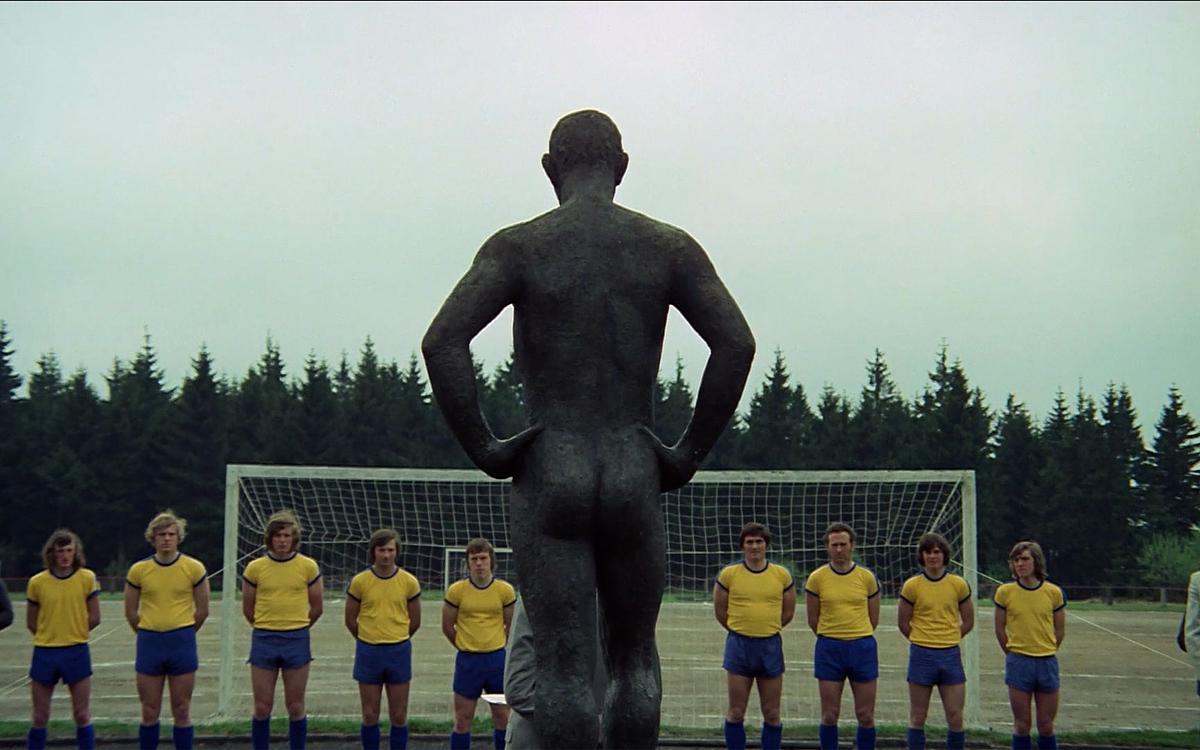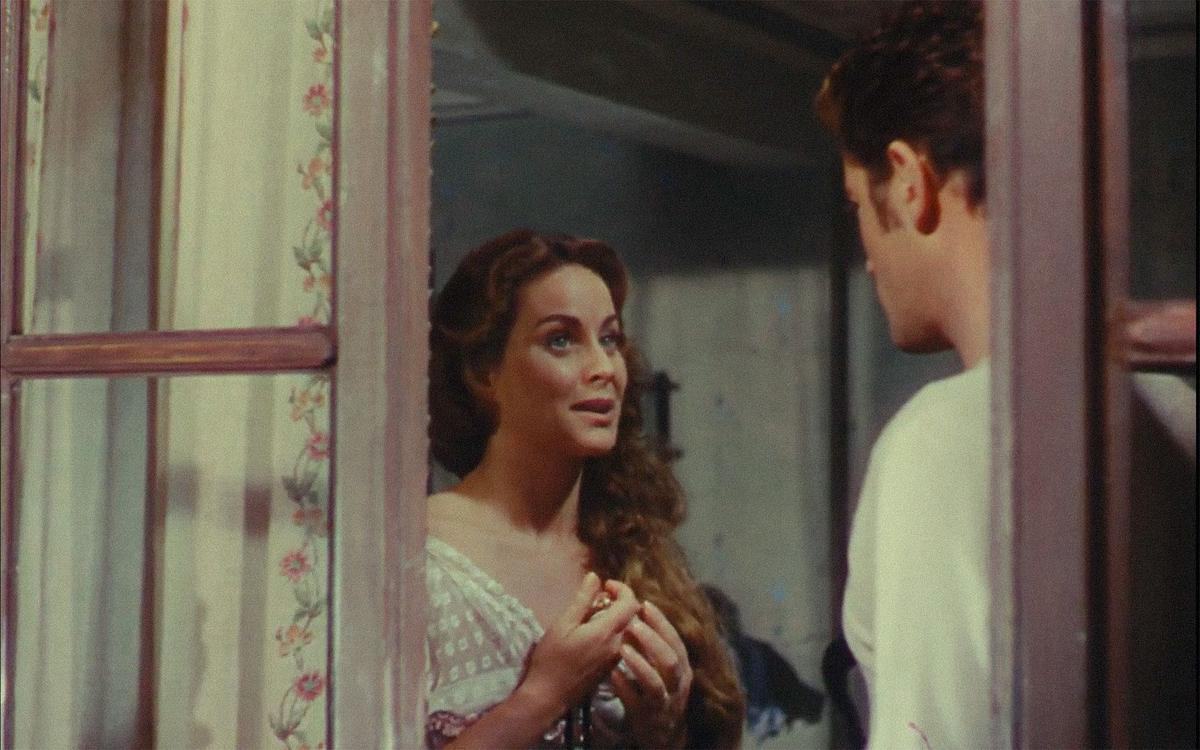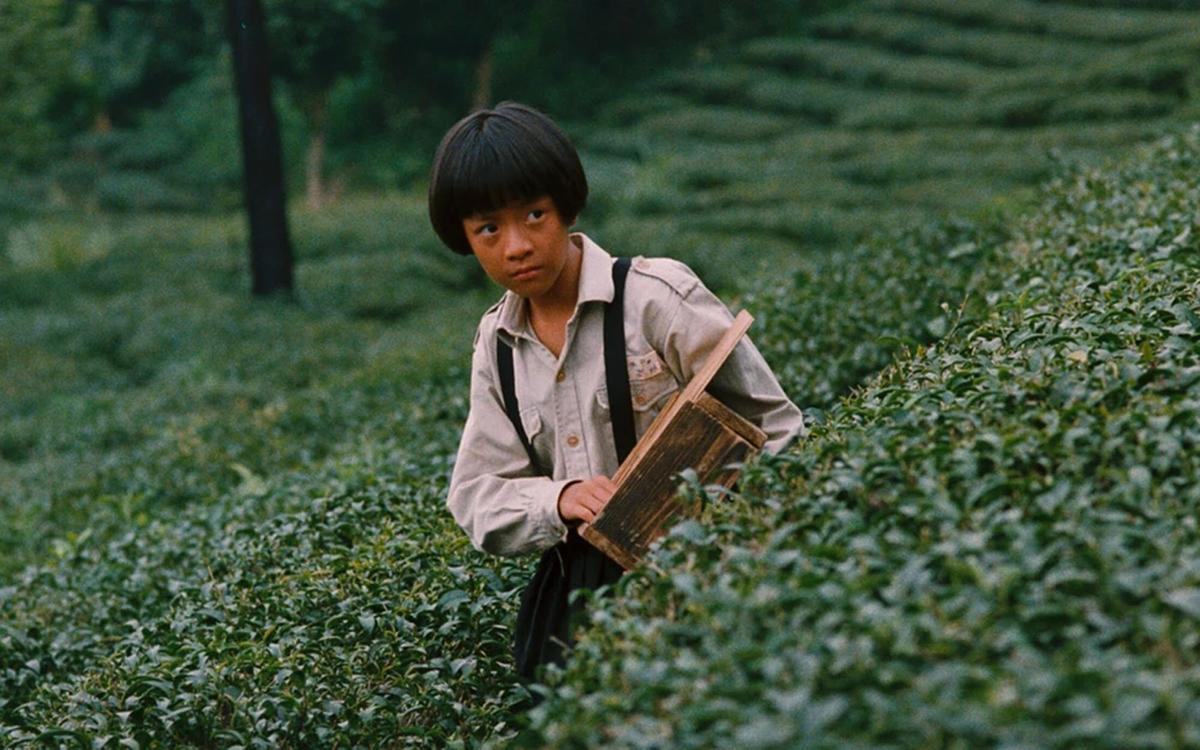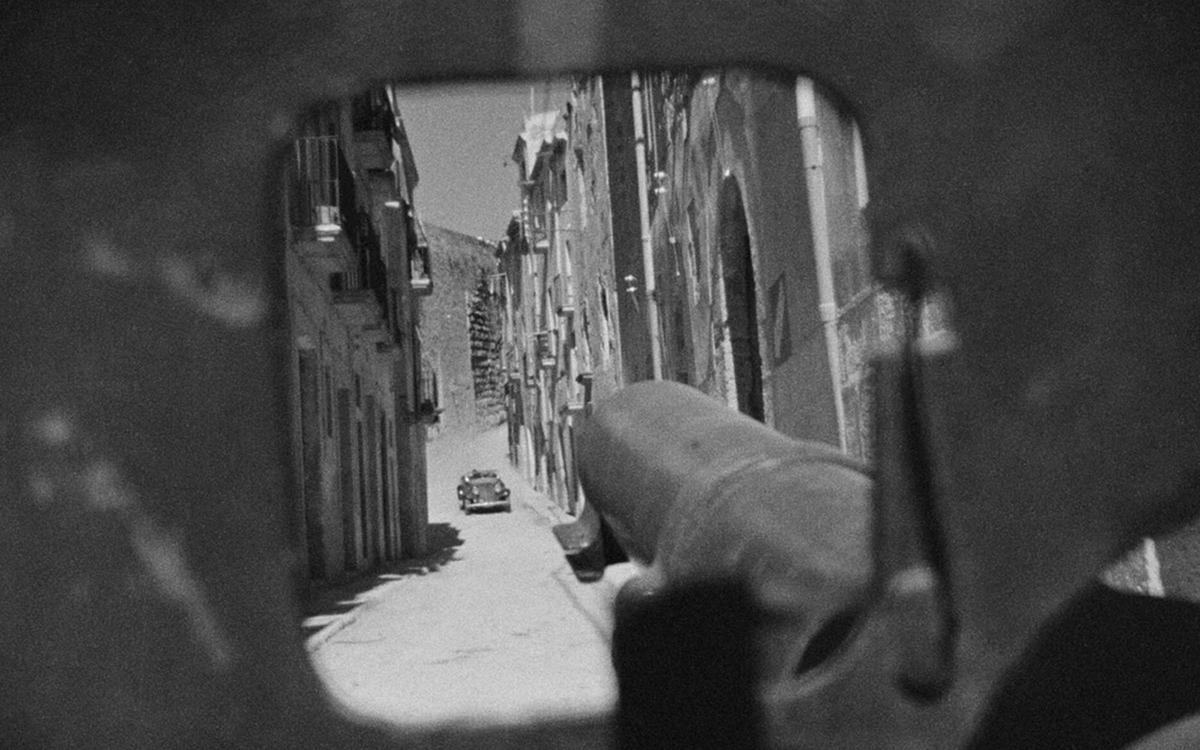
The Bottomless Bag. Still Life. Portrait. Landscape. Genre Out of Its Element
Cinema appropriates the still life, the portrait, and the landscape (and casts off pictorialism) in a new film programme at the House of Culture.
The camera comes to a halt. The eye catches something indefinably familiar—an object, a face, a landscape. It may well be seeing them for the first time, but composition and chiaroscuro are enough to grasp their essence. A formula takes shape in the mind: “All film productions develop on the basis of the painterly canons already in the archives of art history.” The inquisitive viewer in question is Kazimir Malevich—one of the central figures in the House of Culture’s new exhibition Still Life. Portrait. Landscape. After Genre.
Recording this observation in the 1920s, the artist urged the nascent art of cinema to recognise itself as heir to painting—and to open itself to the influences of its latest achievements. Futurism, Cubism, Constructivism—in Malevich’s thinking—could help cinema truly grasp “the world of dynamics,” to depict the speed and force of modernity as an autonomous image, freed from the object. A century later, it is clear that cinema successfully solved this problem through the efforts of experimentalists ranging from Dziga Vertov (when it comes to social dynamics) to Jonas Mekas (in the case of personal dynamics), as well as practitioners of unique cinematic genres who mastered the pure kinetics of action and chase sequences.
Yet in parallel, cinema traced another trajectory: certain filmmakers heeded the artist’s advice to learn from painting, but ignored the call to attend only to the avant-garde. In such films, the language of cinema gained the ability to speak of modernity while preserving the sense of composition, light and colour characteristic of painterly genres—the still life, the landscape, the portrait.
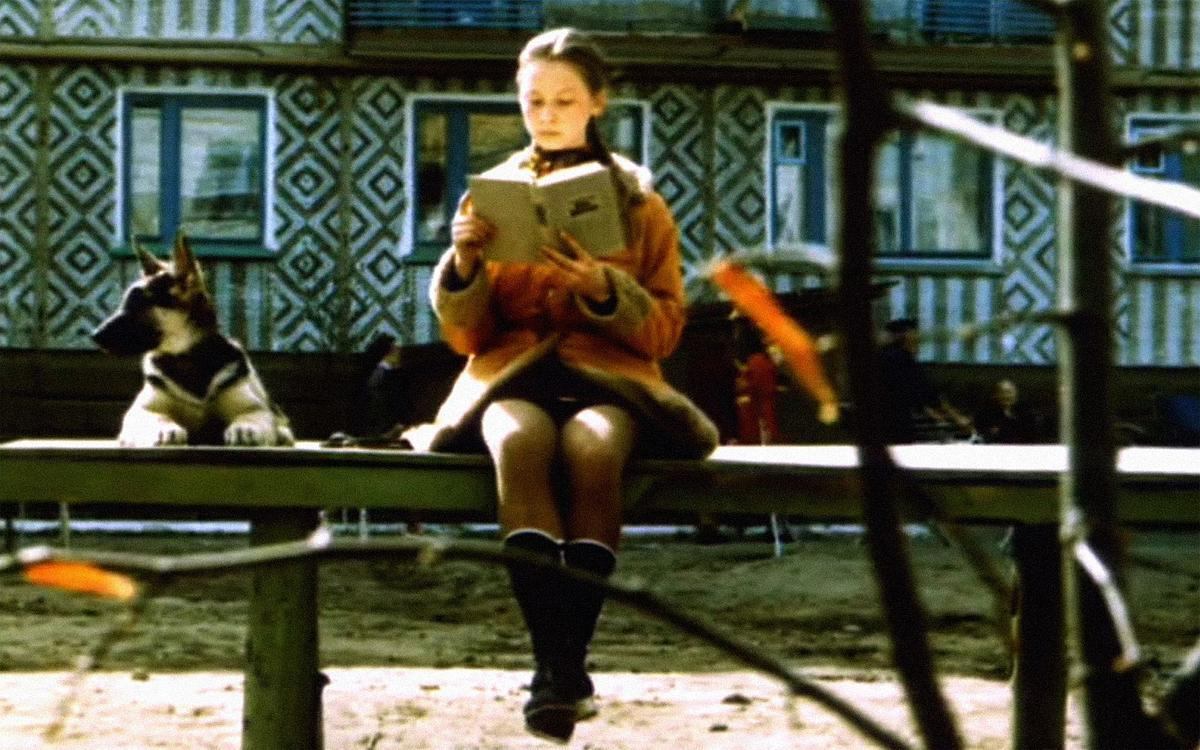
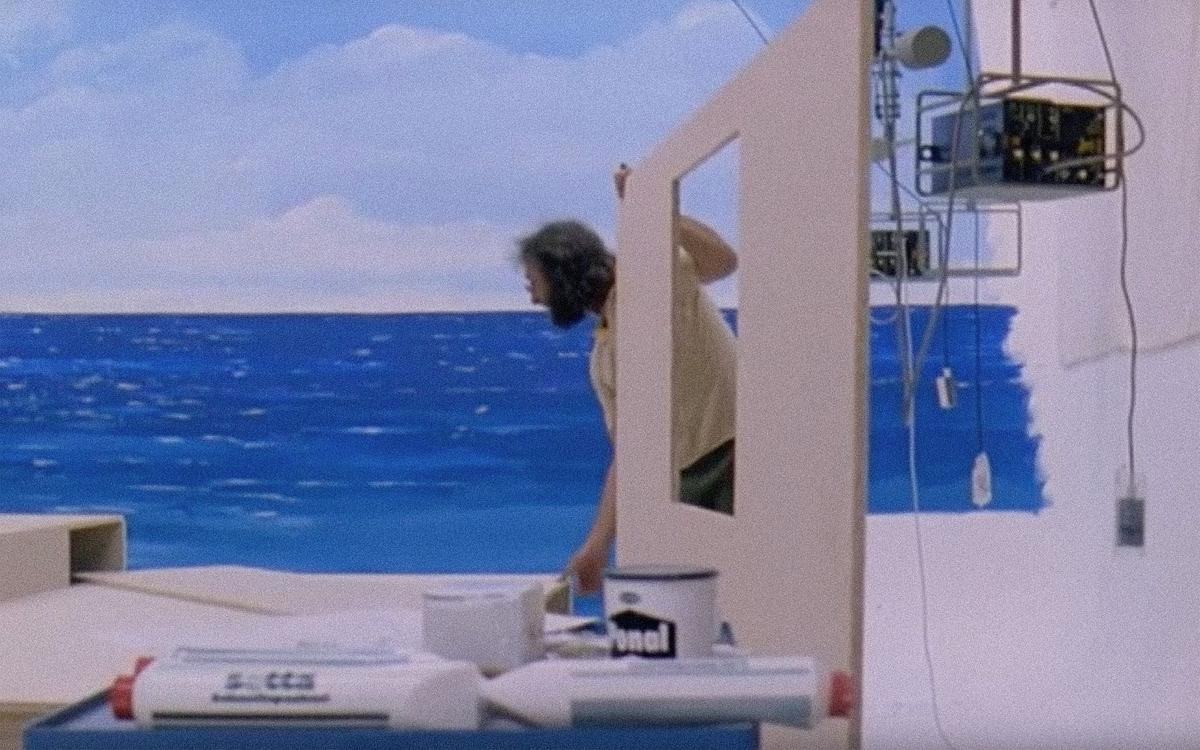
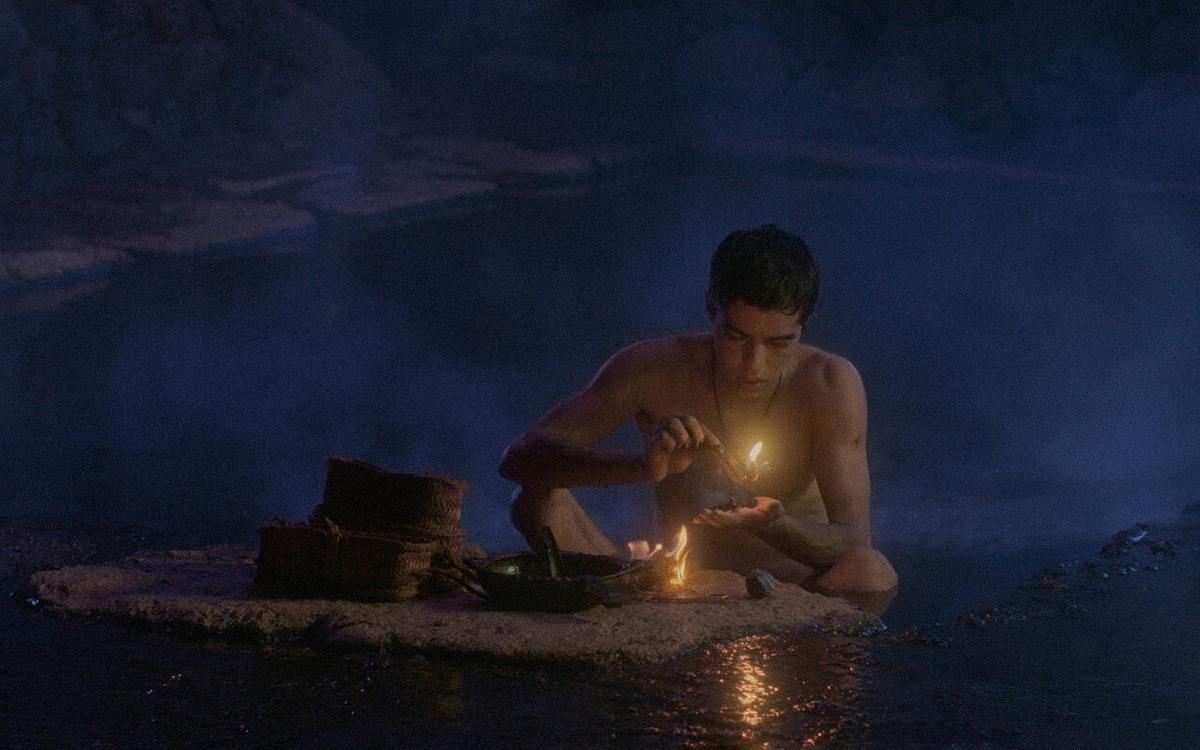
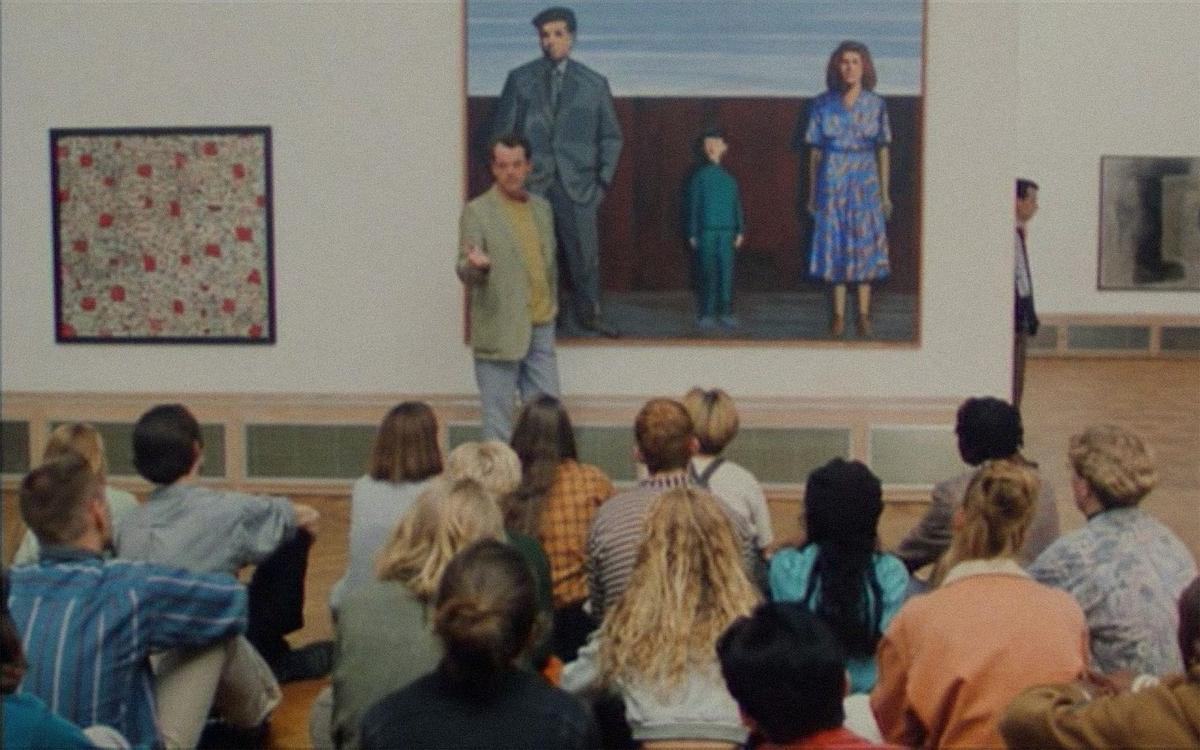
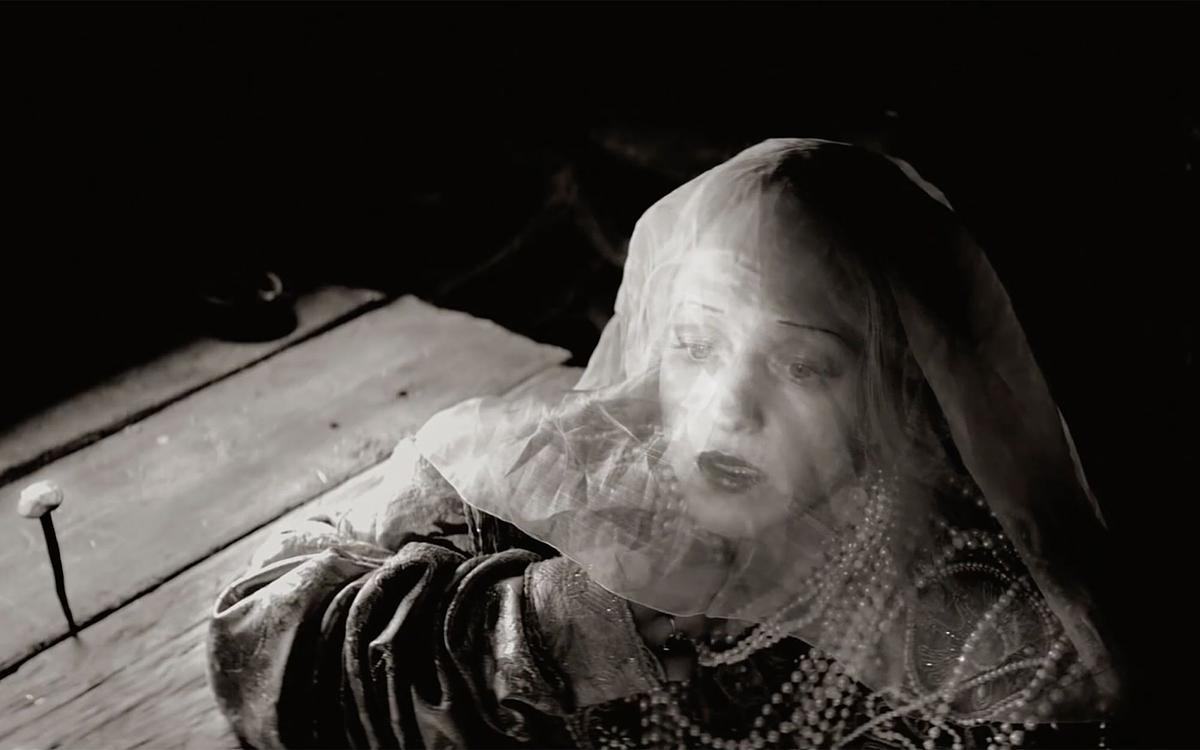
The House of Culture’s new film programme examines films that retained a painterly quality while managing to resist the temptation of pictorialism. From Italian classics who shed the garments of neorealism to crack open the door to postmodernism, to the simplicity of the Leningrad school’s forms, which lay bare the truth of feeling—and then into the present, with its still lifes of triumphant materialism, its shifting liminal landscapes, and the self-portrait as the defining feature of autobiography. In the films of the programme, the classic painterly genre—finding itself “out of its element”—mutates, dies, and is resurrected, provoking cinema itself to reconfigure its own methods.