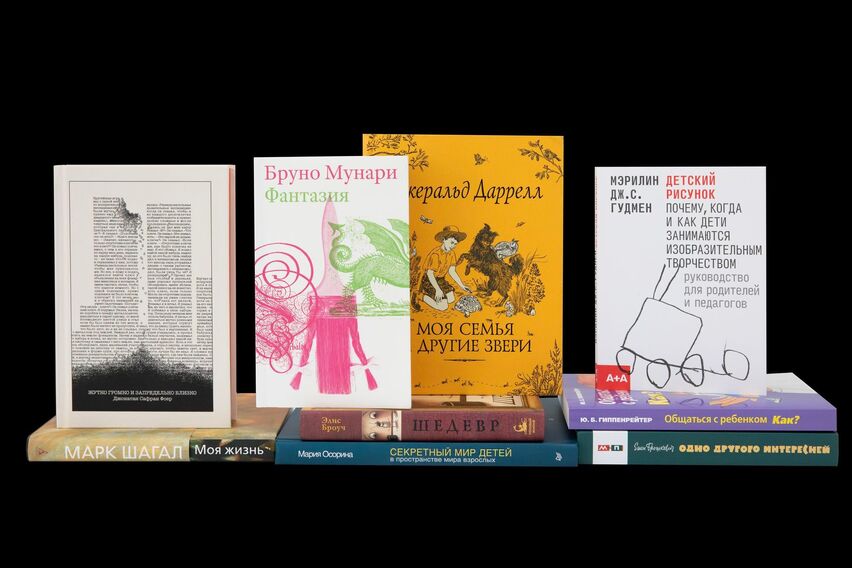
This selection of books brings together works recommended by artists, facilitators, and invited practitioners who, over many years, have helped Atelier visitors bring their ideas to life.
Atelier. Book Collection
- Age restrictions
- 18+
T
The Atelier at
John Ruskin. The Ethics of the Dust (Russian edition) (12+)
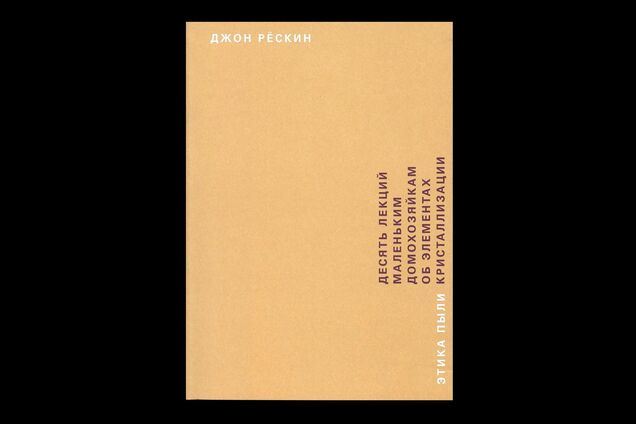
This is a book about stones, crystals, and the beauty of nature, structured as a series of lively conversations. I recommend it because it explains complex things in simple language. What I especially like is the way the author shows that even the smallest speck of dust can be beautiful and important if we look at it closely enough. In my work with children and adults, I try to do the same: to teach people to notice details, see beauty in the familiar, and turn observations into something larger.
Anastasia Kononchuk — art educator and Atelier specialist at
Paulo Freire. Pedagogy of the Oppressed (Russian edition) (16+)
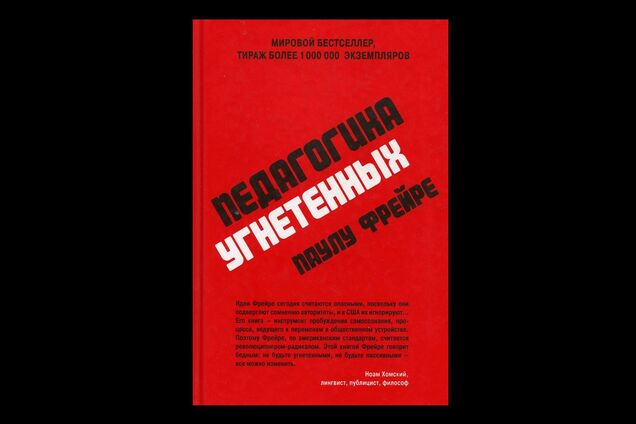
This book helps us see education not as the transmission of ready-made knowledge from the top down, but as a dialogue in which every participant is capable of thinking, questioning, and changing the reality around them. It reminds us that genuine learning begins where there is respect, shared exploration, and the opportunity to speak about one’s own experience. I recommend it because it helps us understand how to build a free, attentive, and honest conversation with one another.
Anastasia Shikhireva — artist, researcher of fashion and architecture, and Atelier specialist.
Elise Broach. Masterpiece (Russian edition) (6+)
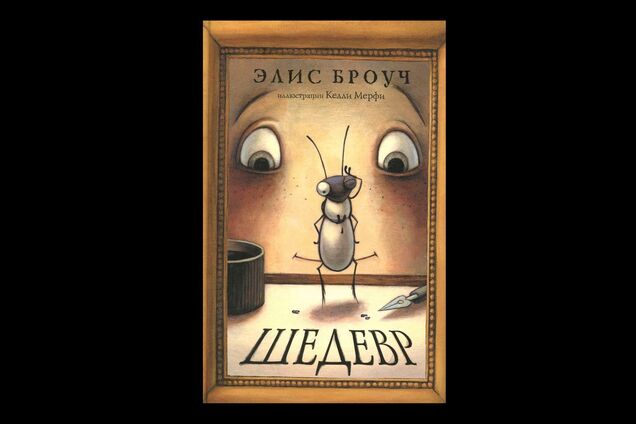
This story is about a friendship between a boy named Marvin and a beetle named James, whose drawings are mistaken for the work of a great master. Their friendship becomes a way of talking about recognition, honesty, and vulnerability of our sense of self-worth. The book teaches children to stand up for their principles and value other people’s work and reminds parents of the importance of copyright. For me, this story is yet further proof of how important it is to be seen and heard, and to not be afraid of speaking up for ourselves. After all, there is a genius beetle inside everyone—I should know!
Natasha Gribanova — translator, linguist, and Atelier specialist.
Mladen Dolar. A Voice and Nothing More (Russian edition) (16+)
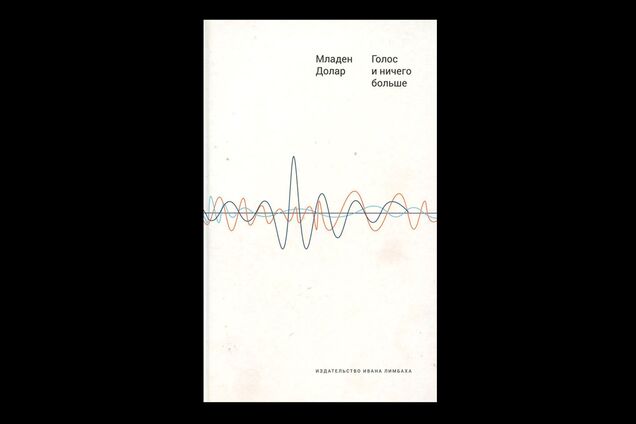
In this book, the voice is not only a means of conveying a message but also an autonomous phenomenon that exists in a state of flux. The voice always says more than words: something remains in its sound that cannot be precisely defined. To me, this view feels close to any creative process in which meaning emerges not only from the result, but from the very form of the action. Sometimes it is more important not to explain, but simply to allow something to sound.
Alina Taibulatova — music producer, mountain enthusiast, and Atelier specialist at
Jonathan Safran Foer. Extremely Loud & Incredibly Close (Russian edition) (16+)
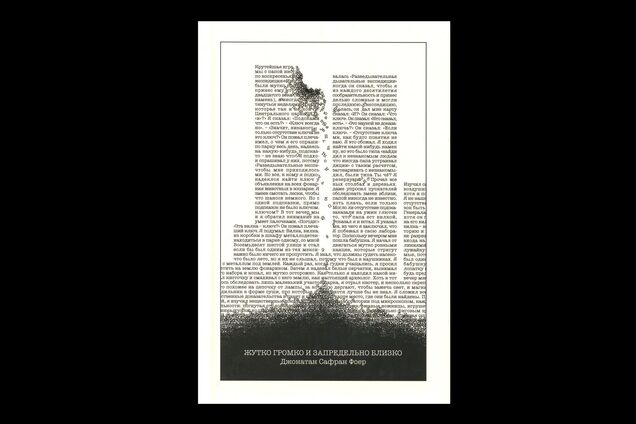
A bracelet with an encoded message, with sky-blue beads standing for silence and dark burgundy ones for pauses; a detachable pocket shaped like a sock with Velcro on the outside, making it easy to retrieve things even from the very bottom; and “pocket pencils” designed especially for the detachable pockets?. These are all inventions by nine-year-old Oskar, the narrator of this book. When I see children and adults bringing their unique projects to life in the Workshop, I feel a great deal of tenderness. I love questioning them about these objects. Together, we give them names and invent unexpected uses for them. Such journeys into the subconscious are especially valuable to me. They can provide support in difficult moments, just as they do for this novel’s protagonist.
Valeria Razuvaeva — artist and teacher. Valeria creates sculptural objects using fabric, cords, beads, and other materials. She is an Atelier specialist and curator of the Intricacies club at
Richard Kostelanetz. Conversing with Cage (Russian edition) (12+)
This book is composed of hundreds of interviews with the composer John Cage about learning to hear the world around us. Cage systematically demonstrates that art emerges from attention to what is usually regarded as background. In our Workshop, we do not impose limitations; instead, we explore how form, sound, and ideas arise—from concentration, chance, and being together. The book reminds us that creativity begins when we are ready to notice connections between things, even when those connections are not immediately apparent.
Zoya Tkacheva — interdisciplinary artist and Atelier specialist at
Kat Debo, Sarah Mower. Margiela: The Hermès Years (0+)
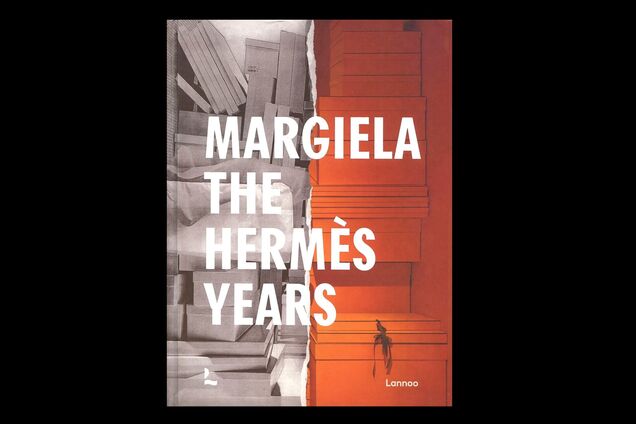
For me, this photo book is about the ability to adhere to one’s own unique vision of clothing design even within a highly refined and prestigious French fashion house. Martin Margiela managed to do this by reworking and deconstructing the brand’s iconic symbols. Every now and then, I return to this publication in my mind. I like inviting workshop participants to solve tasks through unusual techniques or materials and to approach jewellery or accessory design from a new angle.
Masha Kolomatskaya — jewellery and accessories designer. Masha is the leader of Beads, Baubles and Fishing Lures and Tangled Threads clubs at the
Yulia Gippenreiter. Obshat’sya s rebenkom. Kak? [Communicating with a Child. How?] (12+)
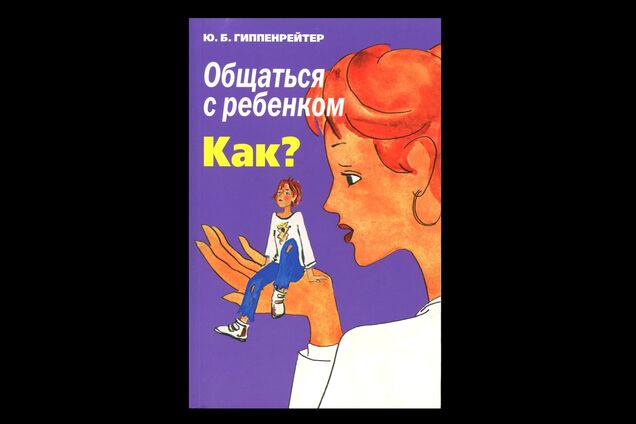
This book shows how important it is to hear and accept children’s logic and feelings as they are. Working with children at the Atelier, I often see that much depends not so much on explanations as on dialogue: the questions we ask, the way we respond to mistakes, and how we sustain interest. Through Gippenreiter’s work, we see even more clearly that the Workshop is not merely a place where people learn to work with their hands, but also a space of trust, where a child can experiment, hesitate, and find their own solutions. And perhaps this is especially valuable because adults remain children in many ways: it can be even harder to reach them sometimes, but the right questions often help a person open up.
Nikita Lozhkin — sound engineer, musician, educator, and crafts teacher. At the Atelier, Nikita led the What Fruits and Vegetables and People and Stuff Sound Like workshop and also worked as a guest practitioner in the Tree zone.
Jerzy Broszkiewicz. One More Interesting Than the Next (Russian edition) (6+)
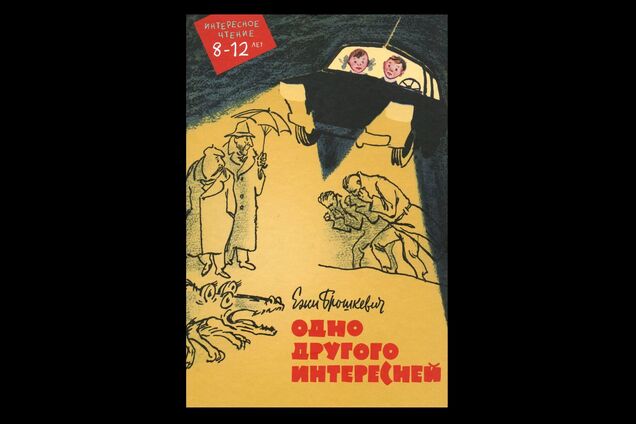
When we needed to come up with a name for a children’s club we were creating at the Atelier, I happened to be reading this book and realised that the phrase “One More Interesting Than the Next” was perfect. According to our idea, every participant in the club would suggest a topic for future meetings based on their own interests. The title itself became a shared creative challenge to make every meeting interesting, unexpected, and unlike the one before it. And, most importantly, a space of freedom for expressing ideas through art.
Antoni Malinowski — artist and teacher working with painting, drawing, and collage. Antoni led the One More Interesting Than the Next club and also worked as a guest practitioner in the Paper area.
Marc Chagall. My Life (Russian edition) (16+)
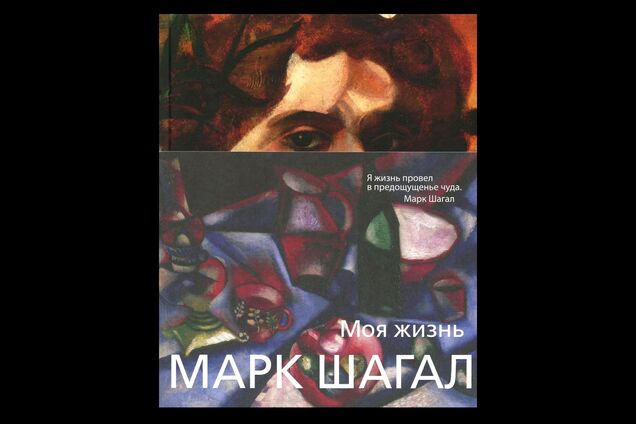
For me, this is a book about how art can help an artist find a home and a sense of identity. Chagall writes about memories, his childhood, and his roots, which would go on living in his imagery wherever he found himself. I read his memoirs while studying illustration in London, where I was researching the lives of artists in emigration. Later, working at the Atelier, it was important for me to create a space in which personal experience and imagination could become part of the creative process.
Sasha Tsimbalyuk — illustrator, designer, and teacher. Sasha worked as a guest practitioner in the Paper area of the Atelier.
Bruno Munari. Fantasy (Russian edition) (18+)
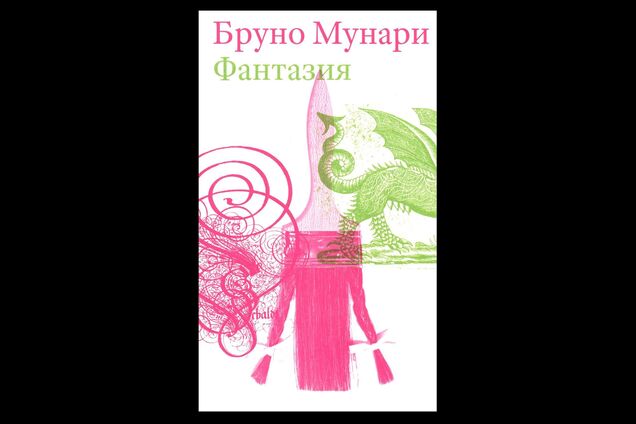
Written by the Italian designer and artist, this book conveys a subtle understanding of the limitless nature of imagination. Drawing on his experience of communicating with children and carefully observing the way they see the world, Munari recounts how he and a group of children created a museum of found objects in a village. Word of the museum soon spread everywhere. Munari’s narrative evokes a warm summer breeze and the whisper of grass, and the image of children making wonderful discoveries is especially vivid. It immediately makes you want to join them—to create your own museum or simply run through the fields, surrendering//trusting to your imagination.
Svetlana Shilankova — interdisciplinary artist, teacher, psychoanalytic psychotherapist, and mother. Svetlana worked as an Atelier specialist and curated the Knitting Club.
Toon Tellegen. The Adventures of V. Shvyrshvyrm (Russian edition) (6+)
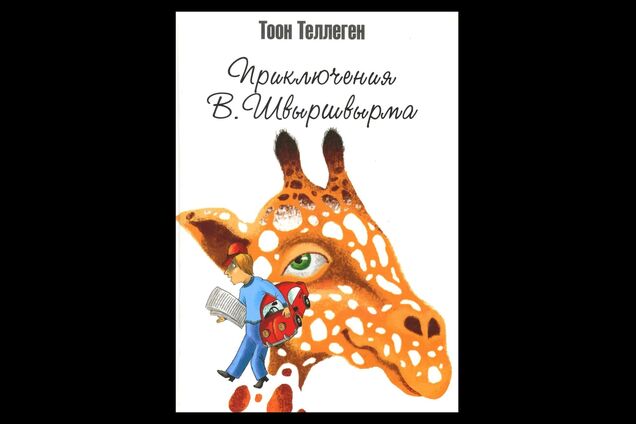
This is a story about how important it is to dream and imagine. What it says in practice is: whatever you invent is what will happen. In his fairy tale, Toon Tellegen creates a space that resembles the Atelier, where everything can be discussed using simple words. Even difficult things are spoken about lightly, with a touch of mischief, and people feel free and brave.
Zhenya Aksyonov — actor, director, teacher, inventor, and creator, as well as leader of the New World and Befriending and Rambling games.
Gerald Durrell. My Family and Other Animals (Russian edition) (12+)
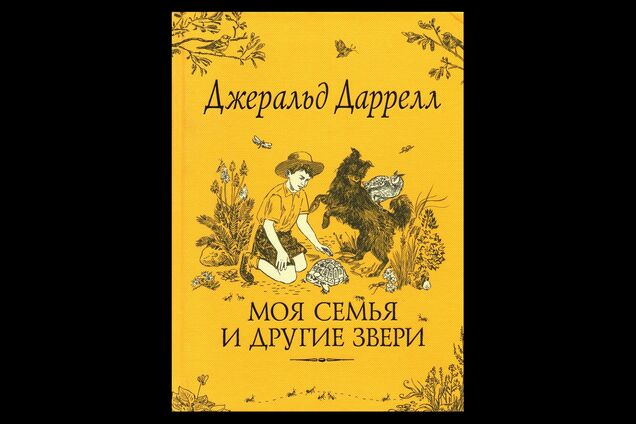
A warm recollection of childhood on the island of Corfu. Young Gerald spends entire days wandering through gardens and olive groves, bringing home tortoises, insects, and birds, and then observing their lives with endless curiosity. The world appears vivid, full of mysteries and small discoveries. When I was a child, my mother read this book aloud to me. It drew my attention to the barely visible life all around us, and sparked my interest in inventing stories based on everyday experiences of exploration and encounter.
Marya Subbotina — book designer, practitioner working with childhood and inclusion, and researcher of otherness in art and life. Marya worked as an Atelier specialist.
Maria Osorina. Sekretniy mir detey v prostranstve mira vzroslikh [The Secret World of Children in the Space of the Adult World] (12+)
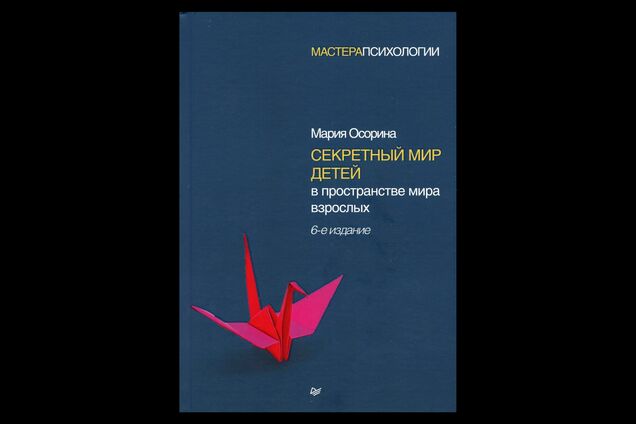
Childhood has its own secret world—it exists right there in courtyards and stairwells, playgrounds and vacant lots. But adults have long forgotten how to notice it. With rare precision and extraordinary fascination, Maria Osorina writes about this hidden life: how to make little hiding places under pieces of glass, why abandoned places are so alluring, what kinds of treasures are to be found, and where to go exploring. Her book sheds light on something intimate that everyone once experienced but few people know how to put into words.
Olga Rokal — architect, educator, co-founder of the UTRO bureau, the MESTO educational project, and the Rayonnale festival. She is one of the authors of the Atelier project.
Vladimir Kocharyan. Yakutskoe kino. Put’ samoopredeleniya [Yakut Cinema: A Path to Self-Determination] (18+)
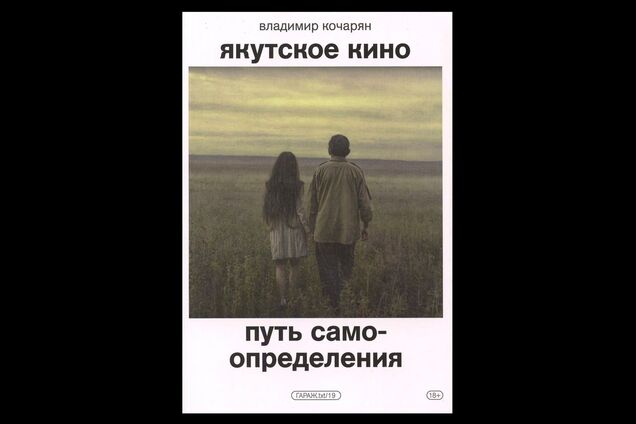
For me, this book is not merely an academic study, but a vivid reflection on how the traditions, habits, and worldviews of the Yakut people are revealed through cinema. The connection between people, nature, and their roots is especially tangible. This story is not only about film, but also about how a visual language emerges from everyday life and cultural experience. The book reminds us that happiness can be found in simple things: small joys, closeness to nature, relationships with loved ones, and a sense of inner harmony.
Elizaveta Skorodumova — independent curator, art manager, and Atelier specialist at
Marilyn Goodman. Children’s Drawing (Russian edition) (16+)
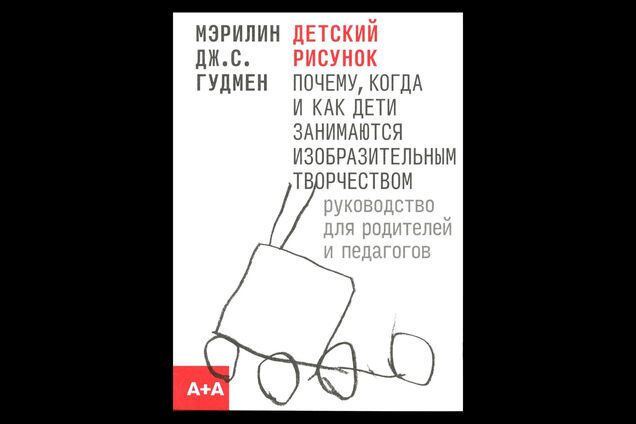
Goodman helped me begin working with children. Her book methodically describes a child’s trajectory drawing: from a toddler who has only just learned to walk and curiously leaves colourful marks on every available surface, to the complex worlds and favourite characters created by older children. What proved especially important to me was the attention paid to the adult’s role: the book offers clear tools that help us observe the development of skills and gently guide the process. In short, working with a child’s art requires careful attention to their imagination, while also offering us the chance to encounter our own childhood once again.
Katerina Bychkova — Atelier curator and artist. Katerina trained as a film director and educator, and has been creating educational programmes for children and young adults since 2017, leading workshops and organising artistic laboratories.